








Macron condemns racist shooting near Paris
Macron calls the attack a turning point for France as investigators examine whether victims were targeted because of their perceived race or religion.
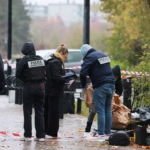
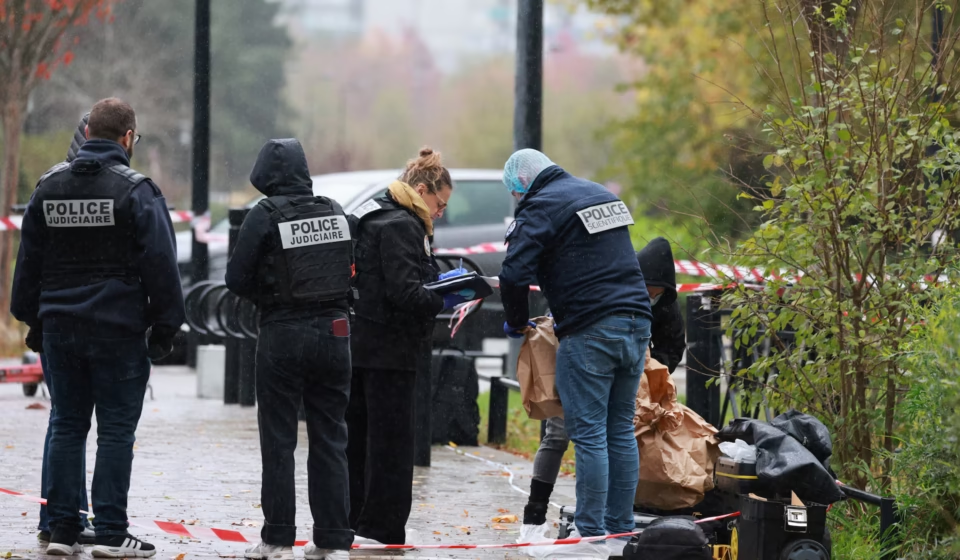
A fatal shooting in the western Paris suburbs has intensified concern over racist violence in France, after President Emmanuel Macron described the attack as “terrorist and racist” and the country’s national anti-terrorism prosecutor took charge of the investigation. One person was killed and five others were injured, including a 12-year-old girl, when a gunman opened fire at several locations in and around Trappes on Friday, 23 October.
According to Reuters, the suspect, a 39-year-old man identified as Kevin T., was arrested after the shooting. The gunman reportedly fired an automatic weapon at a petrol station, a medical centre and a children’s playground. French authorities have not publicly established the suspect’s motive, and the investigation will need to determine whether the attack was driven by racial or religious hatred and whether it meets the legal criteria for terrorism.
Macron visited the area and said the attack marked a turning point because, in his assessment, the gunman had selected people based on their skin colour or religion. His remarks elevated the incident beyond a conventional criminal investigation, framing it as a challenge to France’s republican commitment to equal citizenship. However, the president’s characterisation should be distinguished from a final judicial finding: investigators must establish the circumstances, intent and any ideological motivation through evidence.
Trappes mayor Ali Rabeh described the shooting as racist and probably Islamophobic, and warned against political rhetoric that could encourage violence. He said two of the victims were of African and North African origin, respectively, while details about the backgrounds of the other victims remained limited. The distinction matters: the reported backgrounds of victims may form part of the inquiry, but ethnicity alone cannot establish the motive of an attacker. The question is whether evidence shows that victims were deliberately selected because of their perceived identity.
The National Anti-Terrorism Prosecutor’s Office, known as PNAT, opened a formal investigation into the case. Its involvement means investigators are examining whether the attack was connected to a terrorist enterprise and whether racial, ethnic, national or religious identity was a factor in the targeting. French anti-terrorism authorities have broader investigative powers in qualifying cases, and convictions under terrorism-related offences can carry more severe penalties. The decision to take over the case signals the seriousness of the suspected motive; it does not, by itself, prove the suspect’s guilt or establish a definitive ideology.
Reports from other news organisations add important details while underlining the need for caution. The Guardian reported that the gunman fired from a car in Trappes and neighbouring La Verrière, and quoted Rabeh’s assessment that the attack appeared racist and possibly Islamophobic. Agence France-Presse also reported that prosecutors were investigating whether victims had been targeted because of their actual or perceived race, ethnicity, nationality or religion. These accounts broadly align on the casualty toll and the investigation’s direction, although early reports differed on some details as authorities updated the information.
The shooting also occurred amid heightened political tension. Reuters reported that nationwide protests had turned violent the previous weekend, with further demonstrations expected, while some far-right politicians had blamed immigration for looting and vandalism in several French cities. This context may shape public debate around the attack, but it is not evidence that any particular political movement organised, directed or inspired the suspect. Establishing such a connection would require evidence from the investigation rather than assumptions based on the wider political climate.
The case raises a difficult question for France: how to confront racist violence without allowing an unverified account of motive to become a political verdict before the evidence is tested. Macron’s warning reflects the potential social consequences of attacks perceived to target people because of their identity. Yet a credible response also depends on transparent investigation, due process and clear communication about what authorities have established and what remains uncertain. If investigators confirm that victims were deliberately selected on racial or religious grounds, the case could become a significant test of France’s ability to prosecute identity-based violence under its anti-terrorism framework.
For now, the confirmed core of the story is stark: one person has died, five others were injured, a suspect is in custody, and anti-terrorism prosecutors are investigating whether the shooting was motivated by racist or religious hatred. The final assessment of motive, responsibility and any wider links must await the evidence gathered by investigators and the decisions of the French justice system.
Trappes shooting raises alarm over racist Violence as French anti-terrorism prosecutors take over
Macron calls the attack a turning point for France as investigators examine whether victims were targeted because of their perceived race or religion
By The Laborecon Desk | 24 October 2026
A fatal shooting in the western Paris suburbs has intensified concern over racist violence in France, after President Emmanuel Macron described the attack as “terrorist and racist” and the country’s national anti-terrorism prosecutor took charge of the investigation. One person was killed and five others were injured, including a 12-year-old girl, when a gunman opened fire at several locations in and around Trappes on Friday, 23 October.
According to Reuters, the suspect, a 39-year-old man identified as Kevin T., was arrested after the shooting. The gunman reportedly fired an automatic weapon at a petrol station, a medical centre and a children’s playground. French authorities have not publicly established the suspect’s motive, and the investigation will need to determine whether the attack was driven by racial or religious hatred and whether it meets the legal criteria for terrorism. <Link url=”https://www.reuters.com/world/least-two-injured-shooting-street-near-paris-bfm-reports-2026-10-23/” title=”Reuters report on the Trappes shooting”/>
Macron visited the area and said the attack marked a turning point because, in his assessment, the gunman had selected people on the basis of their skin colour or religion. His remarks elevated the incident beyond a conventional criminal investigation, framing it as a challenge to France’s republican commitment to equal citizenship. However, the president’s characterisation should be distinguished from a final judicial finding: investigators must establish the circumstances, intent and any ideological motivation through evidence.
Trappes mayor Ali Rabeh described the shooting as racist and probably Islamophobic, and warned against political rhetoric that could encourage violence. He said two of the victims were of African and North African origin, respectively, while details about the backgrounds of the other victims remained limited. The distinction matters: the reported backgrounds of victims may form part of the inquiry, but ethnicity alone cannot establish the motive of an attacker. The question is whether evidence shows that victims were deliberately selected because of their perceived identity.
The National Anti-Terrorism Prosecutor’s Office, known as PNAT, opened a formal investigation into the case. Its involvement means investigators are examining whether the attack was connected to a terrorist enterprise and whether racial, ethnic, national or religious identity was a factor in the targeting. French anti-terrorism authorities have broader investigative powers in qualifying cases, and convictions under terrorism-related offences can carry more severe penalties. The decision to take over the case signals the seriousness of the suspected motive; it does not, by itself, prove the suspect’s guilt or establish a definitive ideology.
Reports from other news organisations add important details while underlining the need for caution. The Guardian reported that the gunman fired from a car in Trappes and neighbouring La Verrière, and quoted Rabeh’s assessment that the attack appeared racist and possibly Islamophobic. Agence France-Presse also reported that prosecutors were investigating whether victims had been targeted because of their actual or perceived race, ethnicity, nationality or religion. These accounts broadly align on the casualty toll and the investigation’s direction, although early reports differed on some details as authorities updated the information. <Link url=”https://www.theguardian.com/world/2026/oct/23/macron-condemns-racism-after-one-killed-in-terrorist-shooting-near-paris” title=”The Guardian’s report”/>; <Link url=”https://www.afp.com/en/gunman-kills-one-wounds-four-town-outside-paris” title=”Agence France-Presse’s report”/>.
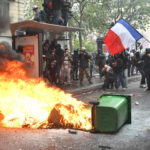
The shooting also occurred amid heightened political tension. Reuters reported that nationwide protests had turned violent the previous weekend, with further demonstrations expected, while some far-right politicians had blamed immigration for looting and vandalism in several French cities. This context may shape public debate around the attack, but it is not evidence that any particular political movement organised, directed or inspired the suspect. Establishing such a connection would require evidence from the investigation rather than assumptions based on the wider political climate.
The case raises a difficult question for France: how to confront racist violence without allowing an unverified account of motive to become a political verdict before the evidence is tested. Macron’s warning reflects the potential social consequences of attacks perceived to target people because of their identity. Yet a credible response also depends on transparent investigation, due process and clear communication about what authorities have established and what remains uncertain. If investigators confirm that victims were deliberately selected on racial or religious grounds, the case could become a significant test of France’s ability to prosecute identity-based violence under its anti-terrorism framework.
For now, the confirmed core of the story is stark: one person has died, five others were injured, a suspect is in custody, and anti-terrorism prosecutors are investigating whether the shooting was motivated by racist or religious hatred. The final assessment of motive, responsibility and any wider links must await the evidence gathered by investigators and the decisions of the French justice system.
Sources: Reuters — Macron says Paris suburb shooting was a terrorist and racist act; Le Monde — Questions remain over the suspected gunman’s motives; The Guardian — Macron condemns racism after deadly shooting near Paris; Agence France-Presse — Gunman kills one, wounds four in town outside Paris; Al Jazeera — One person killed in suspected Islamophobic shooting near Paris.
