



















California faces major beach losses as climate risks intensify
A new state climate assessment warns of shrinking beaches, more extreme heat, worsening wildfire risks and declining water supplies, with low-income communities facing disproportionate impacts.
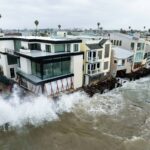
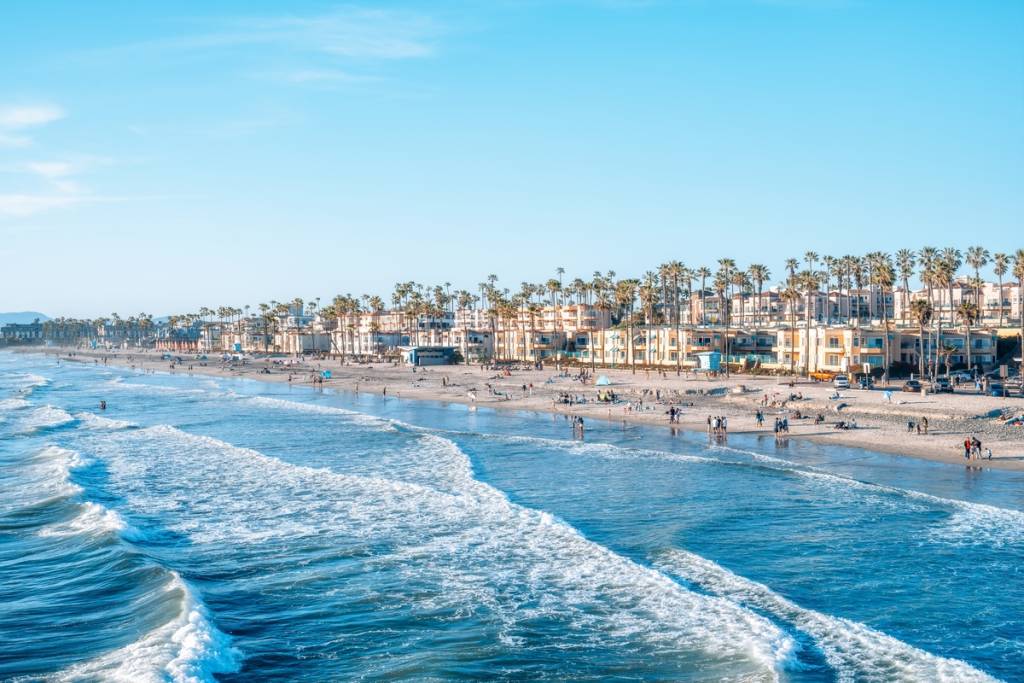
California could lose between 30% and 70% of its beaches in the coming decades as rising sea levels and coastal erosion reshape the state’s shoreline, according to projections reported by the Los Angeles Times. The warning forms part of a broader assessment of climate risks facing the US state, from increasingly severe heatwaves to wildfire damage and pressure on water supplies.
The report highlights the potential consequences for coastal communities, infrastructure and households already exposed to flooding. A projected sea-level rise of 1.6 feet by 2060 could leave low-lying areas particularly vulnerable, including parts of Los Angeles County around the ports and the beaches of Santa Monica, Venice and Redondo. One estimate cited by the newspaper suggests that approximately 15,000 people in Los Angeles County could be exposed to related flood risks.
California’s coastal vulnerability is not a new concern. The state’s existing climate research has warned that rising seas and shoreline erosion could cause substantial beach losses without large-scale interventions. Its 2026 Coast and Ocean Assessment also identifies coastal erosion, flooding and damage to waterfront infrastructure as risks to communities and the ocean economy.
The climate assessment projects an average temperature increase of around 4 degrees Fahrenheit by mid-century, alongside heatwaves lasting approximately 50% longer. In the Los Angeles region, some inland locations could experience annual peak temperatures exceeding 115 degrees Fahrenheit. San Bernardino could face around 120 days each year above 95 degrees, compared with a historical average of 81 days, according to the Los Angeles Times report.
Higher temperatures are also expected to intensify pressure on California’s water resources. The projections cited by the newspaper indicate that the state could lose about 40% of its mountain snowpack by mid-century. Snowmelt from the Sierra Nevada is an important source of water, including for communities in Southern California. Los Angeles could see imported water supplies fall by 7% to 13% as supplies from several sources become less reliable.
The implications extend beyond water availability. More intense and prolonged heat can increase electricity demand for cooling, placing additional pressure on power systems during extreme weather. The state’s 2026 Indicators of Climate Change report documents growing climate impacts across water systems, public health, ecosystems and coastal environments.
The assessment also warns that the area burned by wildfires annually could increase by 50% by mid-century without changes in land management. Invasive, fire-prone grasses are replacing some native chaparral vegetation, while changing rainfall patterns can encourage plant growth during wet periods before leaving vegetation dry and combustible during prolonged periods without rain.
Climate-related hazards are unlikely to affect all residents equally. Low-income communities and communities of colour in inland areas often face higher exposure to extreme heat, while limited financial resources can make it harder for households to afford air conditioning, recover from disasters or relocate. The Los Angeles Times reported that roughly one in five people in the Los Angeles region cannot afford adequate home cooling.
These pressures demonstrate how climate risk intersects with housing, public health and economic inequality. Exposure to extreme temperatures becomes more dangerous when households lack access to effective cooling, affordable energy or resilient housing.
California is already pursuing measures intended to reduce its vulnerability, including shade infrastructure at bus stops, greener schoolyards, coastal protection plans and projects to capture rainwater and stormwater. Coastal communities are also considering seawalls and vegetation to help protect shorelines, although the effectiveness and environmental consequences of individual interventions vary by location.
The state’s Fifth Climate Change Assessment is designed to provide research and projections that support planning and adaptation. The Governor’s Office of Land Use and Climate Innovation identifies the assessment as a collaborative initiative involving state agencies and research partners, with particular attention to communities vulnerable to climate impacts.
The projections are not a guarantee that every anticipated impact will occur at the stated scale. Outcomes will depend on future greenhouse gas emissions, local geography, land management, infrastructure decisions and adaptation measures. Nevertheless, the findings underline the scale of the choices facing California: reducing emissions can limit future warming, while better planning and investment can help communities prepare for hazards that are already increasing.
Sources: Blanca Begert, Los Angeles Times, “Major loss of California beaches predicted in latest climate forecast”, 20 October 2026; California Governor’s Office of Land Use and Climate Innovation, Climate Assessment, Science, and Research; California Office of Environmental Health Hazard Assessment, 2026 Indicators of Climate Change in California; California Ocean Protection Council, 2026 Coast and Ocean Assessment; California Coastal Commission, Sea Level Rise Policy Guidance.
