






France’s political crisis deepens as govt, left trade blame for unrest
RMRN Regional Media Monitoring Report
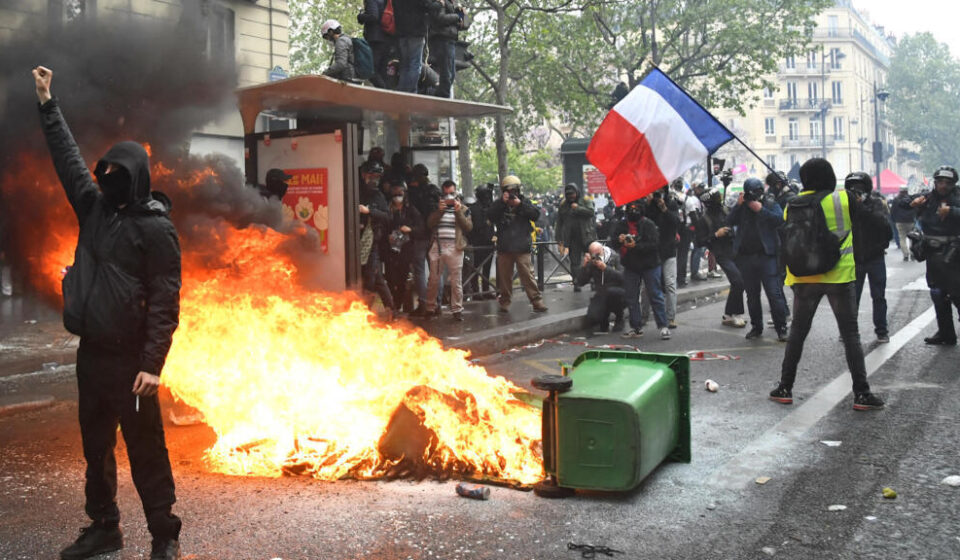
France’s latest wave of unrest has intensified political divisions, with Prime Minister Sébastien Lecornu’s government and the radical-left party France Unbowed (La France Insoumise, or LFI) exchanging accusations over the violence surrounding recent protests. The confrontation has widened beyond public order, raising questions about political accountability, freedom of assembly and the handling of social grievances ahead of the 2027 presidential election.
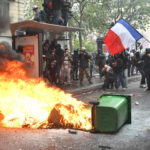
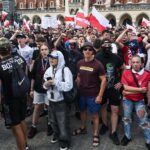
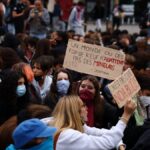
The immediate dispute centres on demonstrations held across France, including protests on 17 October that were accompanied by violence and looting in several locations. The unrest has placed Jean-Luc Mélenchon, the veteran leader of LFI and a prospective presidential candidate, under mounting pressure from political opponents who argue that his confrontational rhetoric has contributed to the deteriorating atmosphere.
According to Reuters reporting published on 22 October, criticism of Mélenchon has come from across the political spectrum, ranging from the centre-left to the far right. Lecornu accused LFI of promoting a political agenda that encourages violence and disorder, while Senate President Gérard Larcher said the possibility of banning the party could be considered. Such proposals have intensified the dispute over the boundaries of legitimate political opposition.
Mélenchon and his allies reject the allegations. They argue that the government is attempting to shift responsibility for the unrest onto the radical left instead of addressing the underlying economic and social frustrations driving demonstrations. LFI has also criticised the authorities’ handling of protests and questioned the government’s interpretation of the intelligence surrounding the violence.
The controversy reflects a broader struggle over how France should respond to public disorder without undermining democratic freedoms. While the authorities have a responsibility to protect people and businesses from violence, allegations against political parties require evidence rather than reliance on rhetoric or association with protest movements.
Reporting by Le Monde on 21 October described a particularly tense confrontation in the National Assembly, where government representatives and LFI lawmakers traded accusations over the origins of the violence. The government argued that the party had helped fuel unrest, while LFI accused the authorities of politically motivated attempts to discredit the movement. The dispute has also drawn criticism of the Interior Ministry’s policing strategy.
The government’s response has become more restrictive. Reuters reported on 22 October that President Emmanuel Macron said demonstrations deemed illegitimate would be banned in the coming days, while organised protests by trade unions would be permitted, potentially with changes to their routes to protect businesses. Authorities in Lyon also announced a ban on all protests planned for Saturday, according to the report.
The economic consequences are becoming another concern for the government. Le Monde reported on 20 October that at least 3,000 businesses had suffered damage or looting since the weekend, citing Commerce, Small and Medium-sized Enterprises and Tourism Minister Serge Papin. The government has promised a dedicated support fund for affected businesses, adding to the financial pressures created by an already difficult budgetary environment.
For retailers, small businesses and service providers, prolonged unrest can mean lost trading hours, damaged property, higher security costs and uncertainty over customer activity. The effects may extend beyond the locations directly affected if demonstrations disrupt transport, discourage visitors or weaken confidence among investors. The full economic cost, however, remains dependent on the duration and geographical spread of the unrest.
The political dispute also reflects deeper tensions over inequality, public services, representation and the relationship between marginalised communities and state institutions. Mélenchon retains support among many younger voters and people who feel underrepresented in mainstream politics. His supporters see LFI as a vehicle for challenging economic inequality and defending a multicultural vision of France. Critics, by contrast, argue that the party’s combative language risks blurring the distinction between democratic mobilisation and political agitation.
Former president François Hollande has cautioned against attributing the unrest to a single politician or party. As reported by Reuters, Hollande argued that focusing exclusively on LFI would risk overlooking the wider conditions affecting French society. That perspective highlights the need to examine the grievances behind the demonstrations alongside the actions of those responsible for violence and property damage.
The media framing of the crisis also deserves attention. Reuters has emphasised the political pressure on Mélenchon and the implications for the approaching presidential contest, while Le Monde has examined the confrontation between the government and the radical left, including disputes over policing and the legitimacy of the protests. These approaches offer complementary perspectives, but accusations made by political actors should not be confused with independently established findings.
A further distinction is necessary between peaceful demonstrators and individuals involved in violence or looting. The presence of LFI supporters at demonstrations does not, by itself, establish that the party organised or directed unlawful acts. Similarly, claims that the government has deliberately misrepresented the movement require evidence and should be attributed to those making them unless independently substantiated.
For the Regional Media Research Network, France’s unrest provides a useful case study in political framing during a period of institutional tension. Competing narratives can shape public perceptions of protest movements, government legitimacy and the boundaries of dissent. Responsible media monitoring must therefore assess the evidence behind political accusations, examine the interests of the actors involved and distinguish verified events from interpretation.
The developments also raise a broader democratic question: how can a government maintain public order while protecting the right to peaceful protest and political opposition? Excessive restrictions risk alienating communities and deepening distrust, while an inadequate response to violence can leave residents, workers and businesses exposed. A sustainable response requires proportionate law enforcement, transparent investigations and serious engagement with the social and economic grievances behind the unrest.
As France approaches the 2027 presidential election, the confrontation is likely to remain politically consequential. The crisis may strengthen demands for tougher public-order measures while also giving anti-establishment parties an opportunity to challenge the government’s authority. Whether it ultimately benefits Mélenchon, his opponents or neither will depend on how the public interprets the unrest, the government’s response and the evidence that emerges.
For now, the central issue is not simply who wins the political blame game. It is whether France’s institutions can restore public confidence while protecting democratic freedoms and addressing the underlying tensions that have brought protesters, political leaders and law-enforcement authorities into increasingly sharp conflict.
Sources:
- Reuters — Far-left leader Mélenchon in firing line as France blame-game heats up.
- Le Monde — French government and radical left trade blame after protests turn violent.
- Reuters — Macron tightens curbs on protests, blaming hard left for unrest.
- Le Monde — After weekend of violence, Macron leaves crisis resolution to PM.
