












West Bank displacement and Yemen’s siege deepen regional security crisis
RMRN
Israeli raids displace Palestinian families in Hebron as a threatened hospital shutdown in Taiz exposes the civilian cost of renewed fighting; missile interceptions and warnings over Iranian activity add to regional tensions.
A new wave of Israeli military operations in the occupied West Bank and renewed fighting in Yemen are deepening an already severe regional crisis, with civilians facing displacement, restricted movement and deteriorating access to essential services. In Hebron, Palestinian families have reportedly been forced from their homes following a deadly attack that killed two Israeli soldiers. In Yemen’s Taiz, a hospital treating hundreds of kidney patients has warned that shortages of fuel and medical supplies could force it to close within days. Meanwhile, fighting between Yemeni government forces and Houthi fighters has intensified, while reported missile interceptions by Saudi Arabia and a new US intelligence warning concerning Iran point to continuing risks of a wider confrontation.
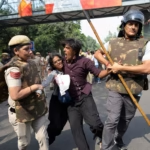
Israeli forces have expanded raids and movement restrictions across the occupied West Bank following a shooting attack near Hebron that killed two Israeli soldiers on Friday. Prime Minister Benjamin Netanyahu ordered a full lockdown of the territory, while Israeli forces launched operations in multiple towns and cities, including Nablus, Jenin, Tubas and Qalqilya, according to Al Jazeera’s reporting on 24 October.
In Hebron’s al-Jalda neighbourhood, as many as 200 families were reportedly displaced as Israeli forces continued their operations. The wider restrictions have affected access to residential areas, with district entrances closed or permitting only limited pedestrian movement. The municipality has reported substantial displacement in parts of the neighbourhood affected by the overnight operation.
Israeli forces have also reportedly occupied evacuated homes for use as temporary military positions. In a separate development, bulldozers demolished a three-storey building in Hebron after residents were reportedly given only five minutes to collect their belongings. The scale and duration of the displacement, and whether affected families will be permitted to return, remain key questions.
Netanyahu said Israeli forces would conduct house-to-house operations in the neighbourhood and vowed to change it completely. The statements have intensified concerns over the scope of the operation and its impact on the Palestinian civilian population. Israel says the crackdown follows a deadly attack on its soldiers; however, security operations do not remove the obligations of an occupying power under international humanitarian law to protect civilians and avoid unlawful collective punishment.
The immediate consequences extend beyond the homes directly targeted. Restrictions on movement can impede access to medical treatment, education, employment and essential supplies, while demolitions and prolonged displacement may undermine the ability of families to resume normal life. The operation also comes amid heightened tensions ahead of Israel’s scheduled elections on 27 October, adding a politically sensitive backdrop to the security crackdown.
The situation requires careful monitoring of the distinction between military measures directed at specific suspects and restrictions imposed on the broader population. Human rights concerns raised in reporting on the operation include the possibility of collective punishment and unlawful displacement. Whether particular acts constitute violations of international law depends on the evidence, the circumstances and the applicable legal standards.
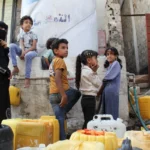
In Yemen, the humanitarian consequences of renewed fighting are becoming particularly acute in Taiz, where the Republican Hospital has warned that it could cease operating within days if supplies do not arrive. The hospital’s dialysis centre serves about 270 patients with kidney failure, according to Al Jazeera. Its director, Dr Essam Mahyoub Dahan, said fuel and specialised dialysis solutions were running critically low.
The centre has already shortened dialysis sessions from four hours to two and a half hours in an attempt to conserve supplies and keep services running. The reduction is medically significant for patients who rely on regular treatment to remove excess fluid and waste products from their blood. Hospital officials warned that the shorter sessions were inadequate for many patients and that some patients’ conditions had deteriorated.
The shortage is part of a wider disruption linked to the renewed siege of the city and fighting between Houthi forces and troops aligned with Yemen’s internationally recognised government. Deliveries of essential goods have been restricted, including diesel needed to operate generators in a city where much of the electricity infrastructure was destroyed during the war. Hospital officials have said they are purchasing fuel on the black market at prices several times higher than before the siege.
The crisis extends beyond one hospital. The World Health Organization warned on 22 October that severe shortages of fuel, oxygen, medicines and medical supplies were threatening health services across Taiz governorate. According to the figures cited by Al Jazeera, 42 health facilities in Taiz city had reported acute shortages, while hospitals and ambulances require an estimated 156,000 litres of fuel each month to keep operating.
Fuel scarcity also threatens oxygen production, water pumping, vaccine refrigeration and sanitation services. A prolonged interruption could therefore affect not only patients already receiving treatment but also emergency care, maternity services and the prevention of infectious disease. Displaced families and people unable to leave affected areas are particularly vulnerable.
The United Nations has separately warned that more than 800,000 people in Taiz have been cut off from aid since the renewed encirclement of the city began in early October. Water deliveries have become more expensive, cooking fuel is scarce, and food prices have risen. The resulting combination of limited access, higher prices and disrupted health services is increasing the risk that a military blockade will develop into a broader humanitarian disaster.
The immediate priority is the safe and sustained entry of fuel, medicines, medical solutions and other essential supplies. The hospital’s warning makes clear that delays are not simply an administrative problem: they may determine whether patients can continue receiving life-sustaining treatment.
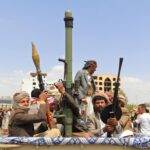
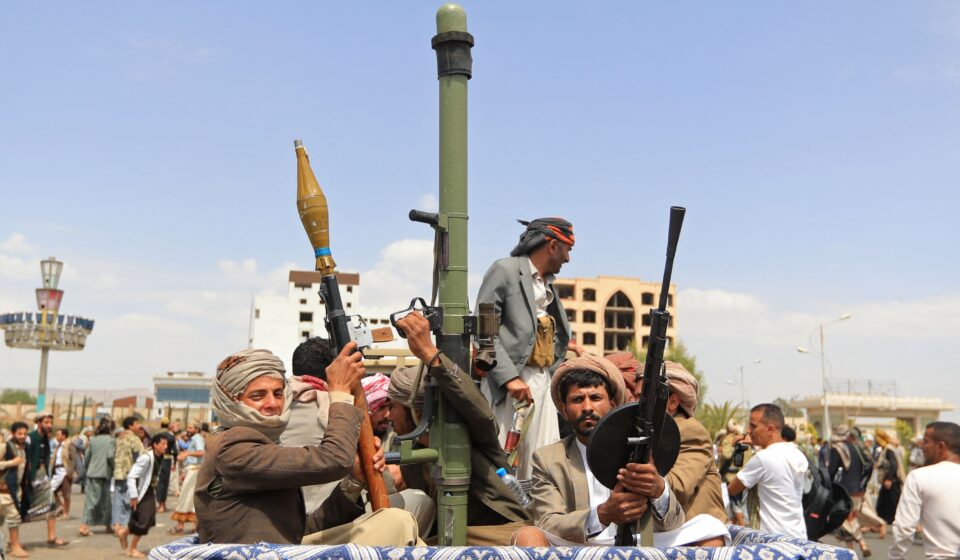
The emergency in Taiz is unfolding alongside renewed clashes on several fronts. According to the Al Jazeera live report, Saudi-backed Yemeni government forces and Houthi fighters exchanged heavy and medium weapons, artillery fire and air attacks around the eastern front near Taiz. In Lahij governorate, Houthi fighters reportedly attacked al-Maqatra Castle after a reconnaissance drone flight. Government warplanes also reportedly conducted five air raids on Houthi-held Mocha in western Taiz province. No immediate casualties were reported from those air raids in the account provided.
The fighting has strategic implications beyond the immediate front lines. Taiz lies along routes connecting Yemen’s north and south, and control of the city and its surrounding countryside affects the ability of forces to move towards Aden and Lahij. Yet the same geography that gives Taiz military significance also exposes civilians to prolonged disruption, displacement and shortages when roads are cut or contested.
The renewed conflict is also placing additional pressure on a health system weakened by years of war. Fighting can increase the number of people requiring emergency treatment at the same time that transport restrictions and fuel shortages undermine hospitals’ ability to respond. When medical facilities lose power, oxygen, medicines or basic supplies, the consequences can spread well beyond areas directly struck by weapons.
The competing parties’ territorial claims and accounts of battlefield developments should be treated cautiously where independent verification is unavailable. What is clearer from the humanitarian reporting is that restrictions on access are affecting civilians, aid operations and essential services. A sustainable reduction in hostilities would need to include reliable humanitarian access, protection for medical facilities and personnel, and safe routes for civilians.
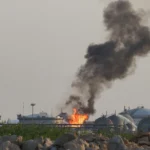
The security situation is not confined to Yemen’s internal battlefields. On 24 October, the Saudi-led coalition said its air defences had intercepted and destroyed two ballistic missiles fired towards Taif and Yanbu. Saudi Civil Defence briefly issued warnings for residents in Taif and Yanbu, as well as Jeddah and Mecca, before announcing that the danger had passed.
The reported interceptions followed claims and counterclaims concerning attacks on Saudi targets earlier in the week. Reuters reported that the Houthis had claimed strikes against targets including Saudi military and energy facilities, while Saudi authorities had not confirmed some of those alleged attacks. The distinction matters: an interception announced by Saudi authorities, a claim of responsibility by an armed group and an independently verified impact are different categories of evidence.
Nevertheless, the exchange highlights the risk that fighting involving the Houthis could affect security well beyond Yemen. Saudi Arabia’s western coastal areas and major cities are exposed to the consequences of missile threats, while attacks or threats involving energy infrastructure can unsettle regional markets and raise concerns about the security of critical facilities and shipping routes.
The wider conflict environment also complicates efforts to contain escalation. When armed groups, state forces and external powers operate across connected theatres, a strike or perceived threat in one area can prompt warnings, military deployments or retaliatory threats elsewhere. Even without confirmation of every claim, the frequency of alerts and interceptions underscores the continuing fragility of regional security.
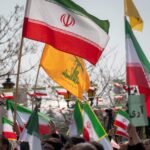
A separate development concerns a US intelligence warning about Iranian efforts to target American personnel abroad. Axios reported on 24 October that a US intelligence memo dated 23 October described increased efforts to target US diplomats and officials in the Middle East and elsewhere, with some alleged plots reportedly at advanced stages. The report said the memo was sent to Secretary of State Marco Rubio by Director of National Intelligence Jay Clayton.
The reported warning adds a diplomatic and intelligence dimension to the regional crisis. Threat assessments of this kind can affect embassy staffing, security procedures and decisions about the movement of personnel. However, the existence of an intelligence warning does not independently establish the details of every alleged plot, and the claims should be attributed to the reporting rather than presented as publicly proven facts.
The concern is that simultaneous military activity, missile threats and intelligence warnings can increase the risk of miscalculation. A perceived imminent threat may lead to precautionary deployments or pre-emptive measures, which other actors may interpret as preparation for an attack. Such dynamics can narrow the space for diplomacy even when the parties have incentives to avoid a wider war.
The developments in Hebron and Yemen differ in their immediate causes and political contexts, but they share a central consequence: civilians are losing access to the conditions necessary for everyday life. In the occupied West Bank, movement restrictions, raids, demolitions and displacement are disrupting homes and community life. In Taiz, the interruption of essential supplies threatens to deprive patients of life-sustaining medical treatment. Across Yemen and the wider region, renewed fighting and missile threats are creating further risks for civilians, infrastructure and humanitarian operations.
The evidence also points to the importance of distinguishing verified events from claims made by parties to a conflict. Reports of families being displaced, hospital supplies running out and missile interceptions require urgent attention, while allegations about military targets, intelligence assessments and the legal character of particular actions require careful attribution and, where possible, independent corroboration.
For humanitarian agencies, the immediate priorities are practical: restore safe access to affected communities, permit essential supplies to enter Taiz, protect medical services, and ensure that displaced families have access to shelter, food, water and healthcare. For regional governments and international mediators, the challenge is to prevent local confrontations from triggering further cross-border escalation.
As the West Bank faces an expanded Israeli security operation and Yemen’s renewed conflict threatens both civilian access and essential services, the broader regional outlook remains uncertain. The most immediate measure of the crisis will not be the number of military statements or intercepted missiles, but whether civilians can return home safely, patients can receive treatment, and humanitarian assistance can reach people trapped by the fighting.
Sources: Al Jazeera — Israel raids towns, detains dozens of Palestinians in occupied West Bank, The Guardian — Israel launches collective punishment campaign in Hebron after two soldiers killed, Al Jazeera — Hospital in Yemen’s Taiz warns of collapse in days because of Houthi siege, Al Jazeera — Time ‘running out’ to reach Yemen’s Taiz amid deepening crisis, UN says, Associated Press — Drinking water supplies dwindle in Yemeni city besieged by Houthi rebels, Reuters — Saudi-led coalition says it intercepted Houthi ballistic missiles targeting Saudi cities, Axios — US intelligence memo warns of advanced Iranian plots to kill officials abroad.
