

















German business confidence improves for sixth month, energy pressures
Manufacturing optimism and government investment are supporting a tentative recovery in Europe’s largest economy, but weaker current-condition assessments and fragile industrial demand underline the risks ahead.
Business confidence in Germany rose for a sixth consecutive month in October, offering a sign that the country’s economic recovery is continuing despite high energy costs, elevated borrowing expenses and persistent pressure on industrial activity.
The Ifo Institute’s business-climate index increased to 90.2 points from 89.9 in September, marginally exceeding market expectations. The survey, which draws on responses from around 9,000 businesses, showed that improving expectations were driving the latest increase even as companies assessed their current conditions less favourably. The reading suggests that businesses are becoming more hopeful about the months ahead, rather than confirming a broad-based improvement in activity.
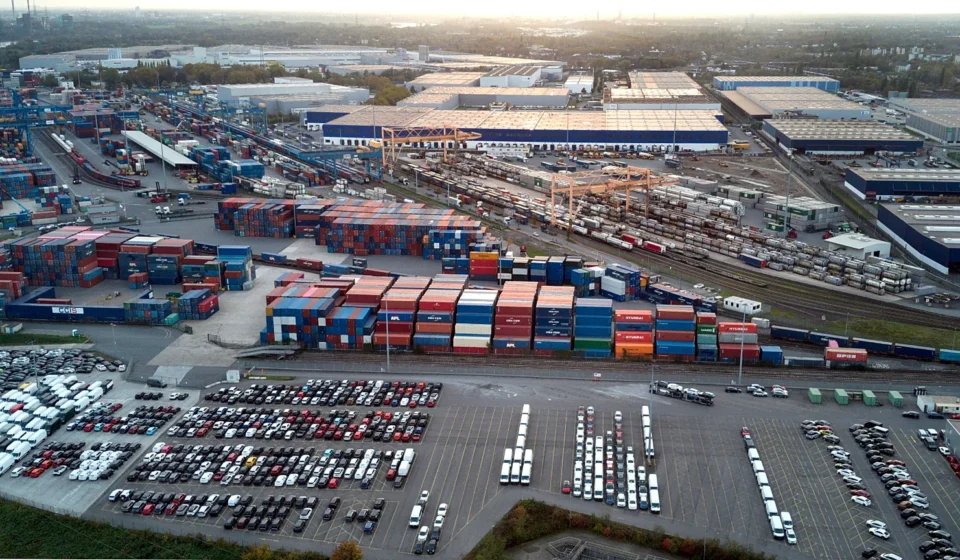
Manufacturing recorded the greatest improvement in the survey. The Ifo Institute reported that both assessments of current conditions and expectations improved substantially, with incoming orders increasing and companies signalling plans to expand production. The sector’s business-climate balance returned to positive territory for the first time in more than three years, providing a notable contrast with the difficulties that have weighed on German industry.
The improvement is significant for an economy whose industrial base has faced weak demand, high input costs and international competitive pressure. However, confidence indicators measure business assessments and expectations; they do not, by themselves, establish that industrial output or investment has entered a sustained expansion.
Official data released earlier in October showed that German manufacturing orders fell by 10.6 per cent in August compared with July, following an increase in the preceding month. Excluding large-scale orders, the decline was much smaller, at 0.1 per cent. The figures illustrate the volatility of industrial demand and the need to distinguish a more optimistic business outlook from confirmed momentum in orders.
The Ifo expectations index rose to 91.6 in October from 90.4 in September, reaching its highest level in more than four and a half years, according to Reuters. By contrast, the current-business-situation index declined to 88.8 from 89.5. The divergence indicates that companies are more optimistic about future conditions even as their assessment of present business activity has weakened.
Conditions also varied across sectors. Services sentiment weakened as companies became less satisfied with current performance, although their expectations improved. Trade sentiment was broadly unchanged, while construction confidence increased. These differences suggest that the recovery remains uneven and that stronger manufacturing expectations have not yet translated into uniform confidence across the economy.
Government investment is expected to provide an additional source of support. Germany has expanded its plans for infrastructure and defence spending, including a €500 billion infrastructure fund. Such expenditure could support demand for construction, equipment and industrial suppliers, although the scale and timing of its effects will depend on implementation and the capacity of projects to translate funding into actual economic activity.
Energy prices remain a major uncertainty. Higher costs can squeeze industrial margins, raise transport and production expenses and reduce household purchasing power. Elevated borrowing costs can also constrain investment, particularly for companies facing uncertain demand. External risks, including US tariffs and competition from Chinese manufacturers, add to the pressure on export-oriented businesses.
Germany’s October business-confidence reading therefore presents a mixed picture. Improving expectations, particularly in manufacturing, suggest that the downturn may be easing. Yet weaker assessments of current conditions and the recent decline in factory orders indicate that a durable recovery is not assured.
For Europe’s largest economy, the next test will be whether stronger expectations translate into sustained orders, production and investment. Until those improvements become more visible in hard economic data, the rise in confidence is best understood as evidence of cautious optimism rather than proof that Germany’s industrial challenges have been resolved.
Sources: Ifo Institute — October business-climate survey; Reuters — German business sentiment rises for a sixth consecutive month; Anadolu Agency — German business sentiment improves on brighter outlook; MarketScreener carrying Reuters — German business sentiment improves; Reuters — European stocks, energy prices and investor sentiment; The Wall Street Journal — German business sentiment rises despite energy pressures.
