


















Iran’s war-hit economy forces families to cut food, housing & education costs
Inflation surges, a weakening rial and rising unemployment deepen the cost-of-living crisis as the conflict with the United States strains household budgets
Iranian households are cutting spending on food, housing and education as the country’s eight-month conflict with the United States intensifies economic hardship, with soaring prices and declining purchasing power pushing more families to the brink of financial distress.
According to a report by Reuters, the war has compounded the effects of years of international sanctions and domestic economic mismanagement. Workers say their wages no longer cover basic expenses, while businesses are facing higher operating costs and weaker consumer demand.
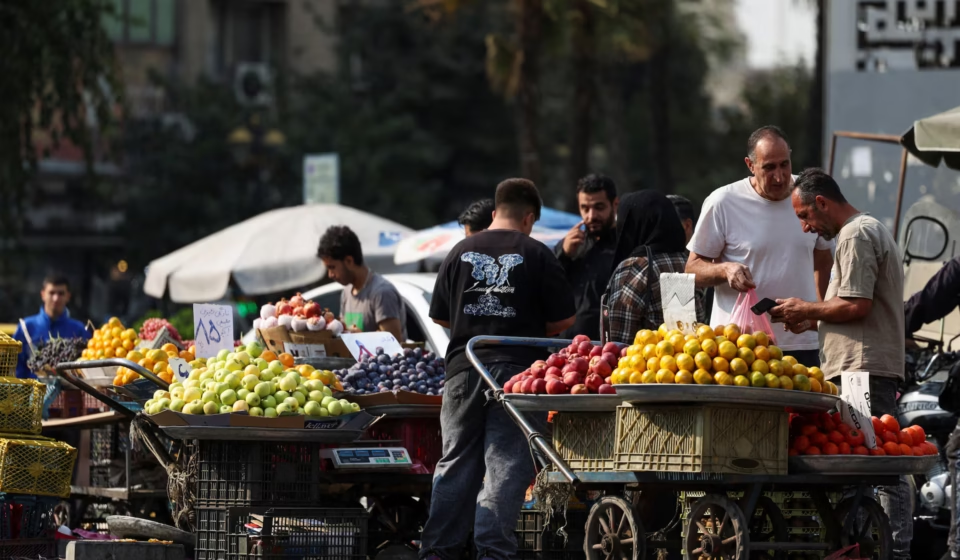
The scale of the crisis is reflected in official inflation figures. Consumer prices in September were nearly 90 per cent higher than a year earlier, while annual inflation reached 73.6 per cent, according to figures reported by Iranian state media. Food and beverage prices rose by 121.8 per cent over the same period, forcing households to reduce spending on other necessities.
Household budgets under mounting pressure
The gap between earnings and living costs is widening. Official estimates put the minimum monthly cost of living for a three-person working-class family at around $336, compared with an average monthly wage of approximately $92 at the free-market exchange rate.
Many families have exhausted their savings, borrowed money or reduced consumption to meet daily expenses. Government-mandated pay rises have been overtaken by inflation, leaving workers with less purchasing power despite nominal wage increases.
Housing costs have added to the pressure. Rents rose by 32.8 per cent year on year in September, while housing, utilities and fuel costs increased by nearly 38 per cent, according to official data cited by Reuters.
For some households, the situation has meant losing their homes or moving in with relatives. Reuters reported the case of a woman in Rasht whose husband lost his job at a small tile factory. After the family spent its savings and could no longer afford rent, they moved into her parents’ home.
Jobs become harder to find
The economic downturn is also affecting employment. Iran’s official unemployment rate reached 9.1 per cent in the spring, an increase of 1.8 percentage points from a year earlier. The economic participation rate fell to 40.7 per cent, while nearly one-quarter of people aged 15 to 24 were unemployed.
Young graduates are among those struggling to find work. A 23-year-old advertising graduate interviewed by Reuters said companies were cutting budgets rather than recruiting, leaving many of her classmates unemployed or working outside their fields of study.
Businesses are contending with higher import costs, restricted access to foreign currency and raw materials, and weaker demand. These pressures threaten both business revenues and employment, potentially reinforcing the cycle of declining household income and reduced consumption.
A weaker rial closes doors to overseas education
The Iranian rial has lost more than half of its value over the past year, making foreign education increasingly unaffordable for families who once viewed it as a route to better career opportunities.
Reuters reported that a 25-year-old Iranian student in Istanbul was returning home after being unable to pay tuition for another year of medical studies in Turkey. He said several friends faced similar circumstances.
The currency’s depreciation has increased the cost of tuition, accommodation and other expenses paid in foreign currencies. For families whose incomes are already being eroded by inflation, continuing education abroad has become increasingly difficult.
War and sanctions intensify economic strain
The conflict began with US and Israeli strikes on Iran on 28 February, followed by Tehran’s closure of the Strait of Hormuz and a US blockade of Iranian ports in the Gulf, according to the Reuters report. The resulting disruption to oil exports, trade and government revenues has added to the country’s existing economic difficulties.
Washington’s expanded sanctions, announced on 24 August under the name “Operation Economic Outcast”, were aimed at restricting Tehran’s ability to finance the war. Analysts cited by Reuters said the measures had added to the pressure on ordinary Iranians.
Iran’s government faces the challenge of maintaining essential imports and public services while financing a costly conflict. Central Bank Governor Abdolnasser Hemmati said in mid-October that US claims of an economic collapse were an “illusion”.
However, the hardship described by households and businesses points to mounting pressure on living standards. The figures cited in the report indicate that inflation is significantly outpacing the purchasing power of many workers.
Economic hardship poses a political challenge
Rising prices, unemployment and declining living standards also carry political implications. Economic grievances have contributed to repeated waves of protests in Iran in recent years, and the authorities remain concerned that worsening conditions could fuel renewed unrest.
The country’s leadership must therefore manage both the economic consequences of the conflict and the public frustration associated with the rising cost of basic necessities. The extent to which the government can protect household purchasing power, maintain employment and sustain essential services will be central to its response to the crisis.
For ordinary Iranians, the immediate concern remains meeting daily expenses. As food, rent and education become less affordable, the war’s economic consequences are increasingly being felt not only in national accounts and trade figures, but also in the everyday choices families must make.
