












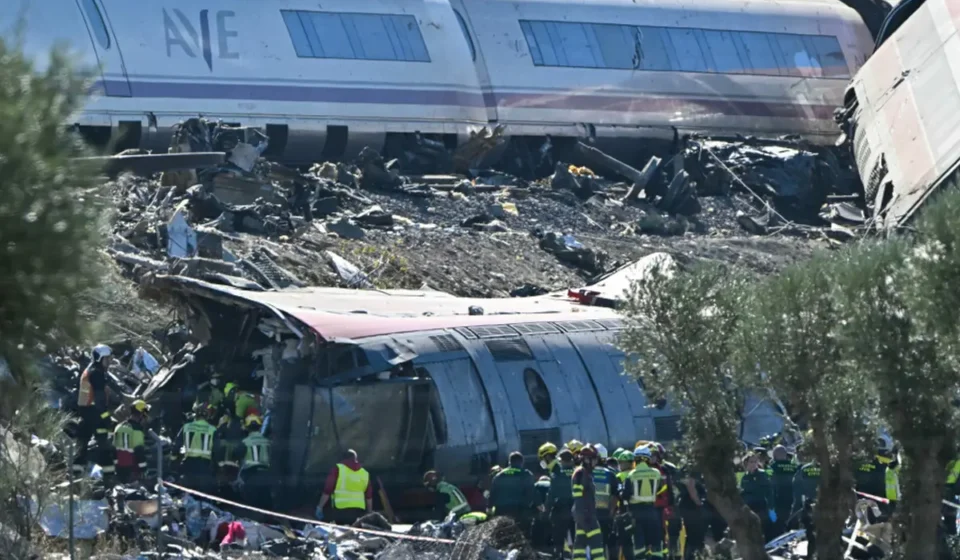
Spain’s second deadly high-speed rail crash this year points to a signalling failure
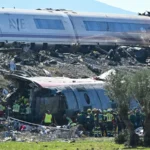
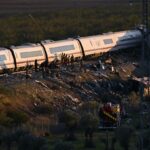
Spain began three days of national mourning on Thursday after a high-speed train struck the rear of a stationary train near Urda in Toledo province. The AP puts the toll at at least 68 dead, while NBC News reports 69, so the figure is still moving and should be treated as provisional. The impact happened at about 8:53 or 8:54 on Wednesday morning, depending on the outlet, between Urda and Los Yébenes, when a Renfe-operated high-speed train struck the rear of a stationary train run by the private company Iryo. Regional authorities earlier counted 24 deaths on the Renfe train and six on the Iryo one, and the Renfe train carried 397 passengers against 147 on the Iryo.
The cause rests so far on a single account from Transport Minister Óscar Puente. He said a computer malfunction knocked out a security system and stopped all trains on the line at about 8:30, and that central command then gave an “inexplicable” order for the Renfe train to run again without speed restrictions. He said the drivers were not to blame. This is the government’s explanation, not a finding by an independent investigation, and Puente is himself facing calls to resign, so the formal inquiry matters. Prime Minister Pedro Sánchez promised that if there was negligence, “it will be known.”
The link to January’s crash is less clear than headlines suggest. That earlier collision near Adamuz killed 46 people, according to NPR, and began when an Iryo train jumped the track and hit an oncoming Renfe train. Officials at the time pointed to a broken section of rail and ruled out human error. Sánchez cautioned this week that preliminary indications suggested the two accidents had different causes. What they share is the operators involved and the damage to public confidence in a network that, as NBC notes, had never had a deadly crash in its first three decades. A union spokesperson told NPR that privatisation has brought extra traffic and strain, but that is an argument, not a finding.
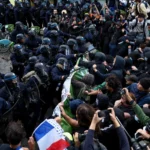
Politics has arrived quickly. Sánchez faces a national election on November 29, after calling a snap vote when his Socialists lost parliamentary votes on housing measures, and NBC says polls show him facing an uphill fight. Protests over rents and housing were already underway. On Wednesday night, about 1,500 people gathered outside the Transport Ministry in Madrid, according to TVE, demanding accountability and the resignations of Sánchez and Puente. NBC reports that far-right demonstrators pushed against police lines and riot officers used tear gas. Vox leader Santiago Abascal criticised the government and rejected calls to pause political criticism during the mourning period.
It is too early to say what the crash will do to the vote. A rail accident can hurt a government if voters conclude the system was mismanaged, and Sánchez’s opponents will say it was. But the case against Puente depends on what the investigation finds about why central command issued the order, and how a safety system failure was allowed to produce a collision. If the inquiry points to a one-off control-room error, the government can argue it acted quickly and openly. If it finds a deeper maintenance or oversight failure, the story becomes about the state of the network, not one decision.
For now the record is clear on a few points and open on others. The collision, the mourning period, the election date and the Madrid protest are documented. The cause is the minister’s account of a security failure and a command-centre order, awaiting independent confirmation. The final death toll, the link to January’s crash and the political effect are all unsettled.
Sources: NBC News, AP via WRAL, NPR via Prairie Public, NPR via Aspen Public Radio, Cox Media Group via WOKV, Cox Media Group via 107.3 The Eagle, Radio Generation, The Local Spain (January crash) and AP via Deccan Chronicle (January crash).
