

















Iran gives Washington two days to accept proposal, war diplomacy
Foreign Minister Abbas Araghchi warns of further military escalation if the United States rejects Tehran’s latest offer, which includes ending hostilities, lifting sanctions and releasing frozen Iranian assets.
Iran has given the United States a two-day window to respond to its latest diplomatic proposal for ending the war, warning that rejection could lead to further military escalation. The ultimatum comes as mediators intensify efforts to secure an agreement following Republican losses in the US midterm elections and renewed uncertainty over Washington’s military strategy.
Iranian Foreign Minister Abbas Araghchi set out Tehran’s position in a post on X on Sunday. “Our 2-day proposal stands: meet the requirement, including end to war on all fronts, and you will see results. Or choose war, and see our alert and battle-hardened Warriors rain down hell,” he wrote. He also urged the White House to respond to the choice made by American voters in the midterm elections.
The statement places political pressure on the Trump administration to demonstrate whether it is prepared to pursue negotiations or resume military operations. It does not, however, establish that Washington has formally accepted the deadline or that a final agreement is close.
Araghchi linked the diplomatic ultimatum to the Republican Party’s losses in the US midterm elections, suggesting that opposition to the Iran war had influenced voters. The Republicans lost control of both the House of Representatives and the Senate, according to the report published by The Hill.
Vice President JD Vance also identified the war as a major factor behind the Republican defeat. In a social media statement following the results, he said: “The reason we lost is the war. The president himself said so last night.”
Vance argued that the political cost of the conflict should be acknowledged in any assessment of the administration’s strategy. He specifically pointed to the loss of Senate control, which could affect the Republican Party’s legislative position for the next six years.
The political implications are significant for the administration’s ability to sustain its approach to Iran. However, the election result should not be attributed to a single issue without broader evidence about voter priorities and the factors shaping individual decisions.
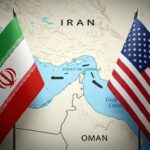
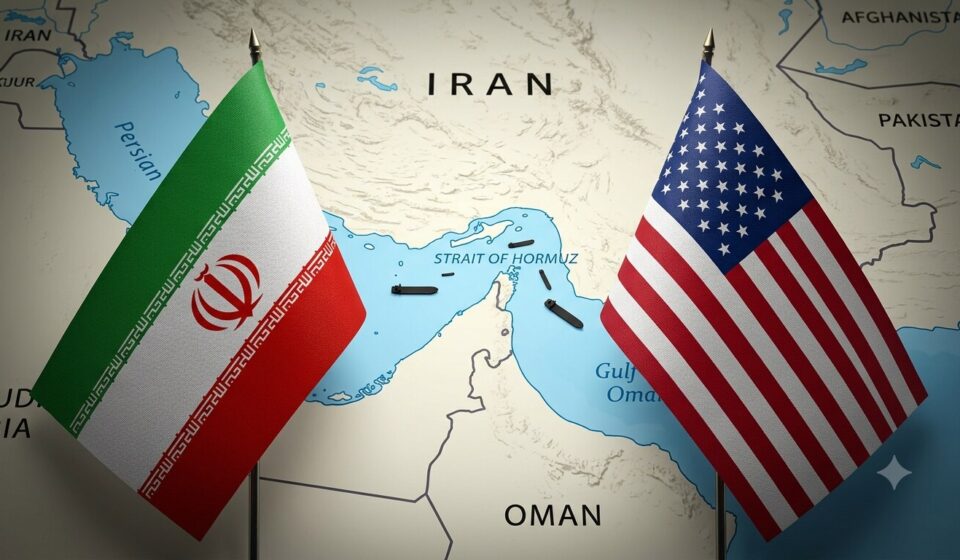
Tehran has offered to reopen the Strait of Hormuz, a critical passage for international oil shipments, as part of a potential agreement with Washington. The proposal is conditional on the United States meeting several Iranian demands, including lifting sanctions and releasing billions of dollars in frozen Iranian assets.
The waterway’s closure has contributed to a surge in fuel prices and disrupted the movement of energy supplies. Its reopening would therefore have implications beyond the immediate military confrontation, particularly for oil-importing economies, shipping operators and global commodity markets.
The Iranian proposal also reflects Tehran’s effort to connect maritime access with wider economic and security concessions. For Washington, accepting the conditions would require decisions on sanctions, frozen assets and the broader terms of the conflict.
The available report does not provide the complete text of Iran’s latest proposal or establish whether the United States has agreed to any of its conditions.
Qatar is leading diplomatic efforts to bring Washington and Tehran towards an agreement, with support from Egypt, Saudi Arabia, Pakistan and Turkey.
The involvement of several regional governments reflects the wider consequences of the conflict. Gulf states have an interest in restoring maritime security and reducing the risk of further attacks, while countries dependent on energy imports face economic pressure from disruptions around Hormuz.
Mediation must address not only the immediate cessation of hostilities but also the underlying disagreements over sanctions, frozen assets and the security arrangements governing the region.
The two-day proposal gives negotiators a compressed timeframe, but the report does not establish what consequences Iran would implement if Washington fails to respond within it.
Araghchi’s warning comes amid uncertainty over Trump’s next military decision. The president has left open the possibility of renewed attacks on Iran, although he has also indicated that he is not in a hurry to decide whether to launch further operations.
The competing signals from Washington and Tehran underline the difficulty of settling while military pressure remains part of both sides’ calculations.
For global markets, the immediate concern is the future of the Strait of Hormuz and the possibility of further disruption to energy shipments. For regional governments, the priority is preventing the conflict from expanding while maintaining diplomatic channels.
The next stage will depend on Washington’s response and whether mediators can turn the latest proposal into substantive negotiations. Iran’s two-day deadline raises the urgency, but an announcement of a deadline is not itself evidence of a diplomatic breakthrough.
Sources
