















ICJ finds Myanmar responsible for genocide against Rohingya in historic ruling
The International Court of Justice (ICJ) has found Myanmar responsible for committing genocide against the Rohingya minority during the military’s 2017 operations in northern Rakhine State, delivering a landmark judgment with potentially far-reaching implications for international justice.
In its ruling on Thursday, 19 November, the UN’s highest court concluded that Myanmar had violated the 1948 Genocide Convention. The decision, reached by a majority of nine votes to six, marks the first time the ICJ has found a state responsible for committing genocide.
The case was brought by The Gambia in November 2019, with support from the Organisation of Islamic Cooperation (OIC). It concerned allegations of mass killings, rape, torture, forced displacement and the destruction of Rohingya villages by Myanmar’s security forces and associated militias.
The court found that the evidence established genocidal intent behind the military operations. It also determined that Myanmar had failed to fulfil its obligations to prevent and punish genocide and had breached its responsibility to preserve evidence relating to the alleged crimes.
A landmark moment for Rohingya justice
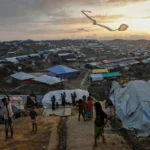
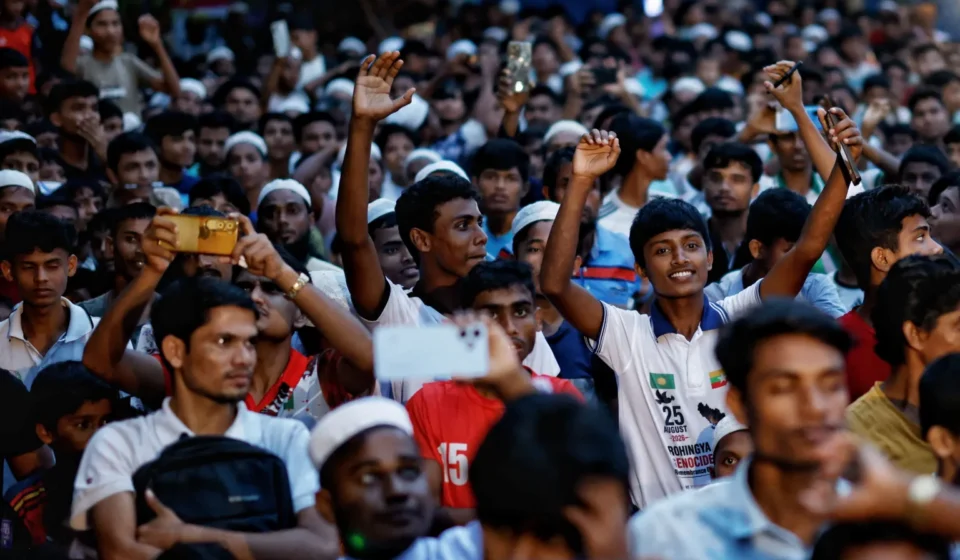
The judgment has been welcomed by Rohingya refugees in Bangladesh, where more than one million people have been living in camps after fleeing persecution and violence in Myanmar.
At least 10,000 Rohingya were killed during the 2017 operations, while more than 700,000 people fled across the border into Bangladesh. Refugees gathered around screens in the camps to follow the court proceedings, with many celebrating the announcement.
The ICJ’s decision provides formal recognition of the crimes committed against the community under international law. However, the ruling does not immediately resolve the refugees’ difficult living conditions or guarantee their return to Myanmar.
The court has ordered Myanmar to take steps to investigate and, where appropriate, prosecute those responsible, introduce legislation giving effect to its obligations under the Genocide Convention, and provide guarantees against similar violations in the future.
It also established Myanmar’s obligation to provide reparations to the Rohingya, including measures supporting safe, voluntary and dignified return and family reunification. The specific amount and arrangements for compensation will be determined in a subsequent phase of the proceedings.
How the ruling could influence other genocide cases
The judgment is also expected to influence legal arguments in other cases before the ICJ, particularly South Africa’s proceedings against Israel concerning alleged genocide in Gaza.
A central issue in genocide litigation is proving specific intent: the intention to destroy, in whole or in part, a national, ethnic, racial or religious group. Evidence that atrocities occurred is not, by itself, sufficient to establish genocide under the Convention.
In the Myanmar case, the court assessed the overall pattern of conduct by the country’s security forces and associated militias to determine whether genocidal intent could be established from the available evidence.
Janina Dill, Chair in Global Security at the University of Oxford’s Blavatnik School of Government, explained that genocidal intent can be inferred from a pattern of conduct, even where other objectives, such as counterinsurgency or forced displacement, may also have been pursued.
British barrister Philippe Sands KC, who was part of The Gambia’s legal team, said the judgment clarified the evidentiary standard for proving genocide. He cautioned, however, that the ruling did not predetermine the outcome of South Africa’s case against Israel.
Each case must be assessed on its own evidence and legal merits. The Myanmar judgment therefore does not establish that genocide occurred in Gaza, but it may provide important guidance for the court’s consideration of the separate proceedings.
International law faces an enforcement challenge
Despite its historic significance, the ruling raises questions about how international justice can be translated into practical accountability.
The ICJ’s judgments are binding on the states involved, but the court has no independent enforcement mechanism. Implementing its orders will depend on Myanmar’s compliance and the willingness of the international community to support accountability measures.
The United Kingdom, which has taken a leading diplomatic role on Myanmar at the UN Security Council, welcomed the judgment and called for action to ensure accountability. It also indicated further measures against Myanmar’s military representatives.
However, efforts to secure strong action through the Security Council could face resistance from China and Russia, both permanent members with veto powers.
The United States has also drawn attention to the legal implications of the case. US Ambassador to the UN Mike Waltz previously warned against lowering the threshold for proving genocide, remarks that were interpreted by some observers as supporting Israel’s legal position in its separate case.
The ruling comes amid wider pressure on the international legal order and renewed debate over whether powerful states can be held accountable for violations of international law.
For the Rohingya, the judgment represents a major milestone after years of displacement, insecurity and uncertainty. Yet its lasting significance will depend on whether Myanmar complies with the court’s orders and whether international institutions can help turn the legal recognition of genocide into meaningful justice, accountability and the possibility of a safe return.
Sources: Jeremy Bowen, BBC, Myanmar genocide verdict is historic and could have far-reaching implications; the International Court of Justice, Judgment in The Gambia v. Myanmar, 19 November 2026; Reuters, Top UN court finds Myanmar committed state-sponsored genocide against Muslim Rohingya; United Nations Secretary-General, Statement on the ICJ judgment in The Gambia v. Myanmar; Human Rights Watch, World Court Finds Myanmar Committed Rohingya Genocide.