















Zelensky says US missile warnings back as Trump envoy heads to Russia
Ukraine says American early-warning intelligence is working again after talks in Oslo, but Washington denies suspending intelligence sharing as disagreements over air-defence missiles and satellite communications complicate peace efforts.
Ukraine’s President Volodymyr Zelensky says the country is again receiving US intelligence warnings about incoming Russian missile attacks following talks with President Donald Trump’s special envoy Steve Witkoff in Oslo. The development comes as Washington pushes Kyiv and Moscow towards negotiations, while disagreements over military support continue to strain US–Ukraine relations.
Speaking after Tuesday’s meetings in the Norwegian capital, Zelensky thanked the United States for restoring an early-warning capability that helps civilians prepare for incoming ballistic missiles.
However, the circumstances surrounding the reported interruption remain disputed. US Secretary of State Marco Rubio has denied that Washington paused intelligence sharing. Reuters, Associated Press, AFP, Al Jazeera and The Guardian have all reported the competing accounts, making the distinction central to understanding the latest diplomatic developments.
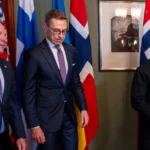
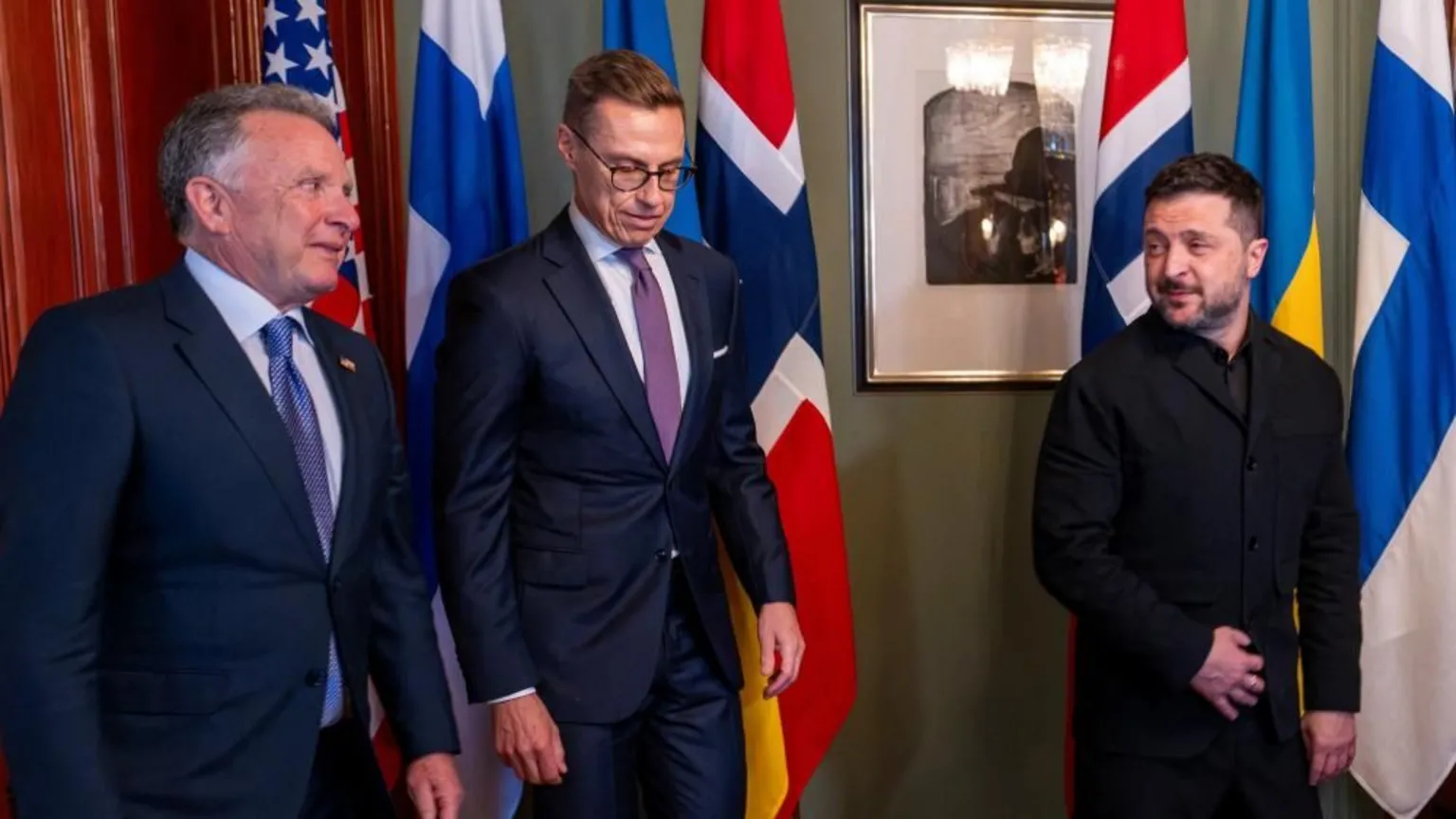
Witkoff met Zelensky alongside Finnish President Alexander Stubb and Norwegian Prime Minister Jonas Gahr Støre. US President Trump’s son-in-law, Jared Kushner, participated remotely.
A US official described the discussions as productive, saying Ukraine had presented new proposals and that participants had made progress towards a coordinated approach. According to reporting by Reuters and The Guardian, the discussions covered a potential peace framework, security guarantees for Ukraine, post-war economic arrangements and broader European security.
Stubb welcomed the progress but cautioned that negotiations would require patience. Støre stressed that Europe must participate in discussions about the future of the conflict.
Witkoff is expected to travel to Russia on Wednesday, 21 October, to meet Russian President Vladimir Putin and discuss proposals developed through the Oslo discussions. The meeting is an opportunity to communicate the proposals to Moscow, but it does not establish that Russia has accepted them.
Russian Foreign Minister Sergei Lavrov has indicated that Moscow would listen to Washington’s proposals while ruling out political concessions.
The dispute over early warnings intensified after Ukrainian officials said some Russian missile attacks had occurred without advance warning.
Zelensky subsequently said the intelligence-sharing arrangement was working again. In comments reported by AFP and The Guardian, he emphasised the importance of advance warnings for civilians facing ballistic missile attacks.
Rubio, however, said there had been no pause in intelligence sharing. The US administration has also rejected allegations that it deliberately withheld support from Kyiv.
The available reporting therefore supports a narrower conclusion: Zelensky says early warnings are now working, while Washington disputes the claim that intelligence sharing was suspended in the first place. The public statements do not independently establish the precise scope, duration or cause of any interruption.
Intelligence sharing is only one part of Ukraine’s concerns about continued American military support.
Zelensky has also raised the delayed approval of US-made Patriot interceptor missiles, which are important for defending against Russian ballistic missile attacks. He told US senators that European countries were prepared to transfer interceptors from their own stockpiles but were awaiting US authorisation.
The Washington Post reported that approval for transfers had been delayed. US officials, meanwhile, have denied deliberately withholding assistance, saying decisions must account for American requirements and commitments to other partners.
A separate dispute concerns Starshield, the military-grade satellite communications service developed by SpaceX. Ukraine has reported restrictions affecting its military use of satellite connectivity, including operations involving drones.
These are related but distinct issues: early-warning intelligence, approval for air-defence missile transfers and access to satellite communications involve different capabilities and decision-making processes. Evidence of a problem in one area does not, by itself, establish that all US military support has been suspended.
Trump continued to urge Ukraine to negotiate an end to the war, saying Kyiv needed to make a deal with Moscow. His remarks came amid deteriorating relations with Zelensky over military assistance and Ukrainian attacks on Russian oil infrastructure.
The US president has also pursued closer diplomatic engagement with Putin, including a reported diesel-supply arrangement that has raised concern among Ukraine’s supporters over Washington’s approach towards Moscow.
European leaders are concerned that a settlement negotiated without meaningful Ukrainian and European participation could undermine long-term security. Zelensky has insisted that Ukraine must be represented in any negotiations addressing its future.
Russia launched its full-scale invasion of Ukraine in February 2022 and continues to occupy substantial Ukrainian territory. Russian missile and drone attacks have continued alongside diplomatic efforts.
The Oslo meeting appears to have reopened communication between Kyiv and Washington at a moment of heightened tension. The reported restoration of early warnings would be significant for civilian protection, regardless of the disagreement over whether intelligence sharing was formally suspended.
But several questions remain unanswered: whether Moscow will engage seriously with the proposals, whether delayed military assistance will be approved, and what security guarantees could prevent another Russian attack if a settlement is reached.
Witkoff’s discussions with Putin may clarify the Kremlin’s response. Until concrete commitments emerge from both sides, the latest diplomatic progress should be treated as an opening for negotiations—not evidence that a peace agreement is imminent.
Sources and cross-checking
- Reuters, 21 October 2026 — US envoy Witkoff to meet Russians as Trump presses Kyiv to settle
- Associated Press, 21 October 2026 — Zelenskyy says early-warning system for Russian missile attacks resumes
- AFP, 20 October 2026 — Zelensky hails resumption of US advance warning of strikes on Ukraine
- The Guardian, 20 October 2026 — US has resumed sharing intelligence with Ukraine about Russian strikes, says Zelenskyy
- Al Jazeera, 19 October 2026 — Rubio says there was no US pause in intelligence sharing with Ukraine
- The Washington Post, 19 October 2026 — Trump administration holds up Patriot missiles for Ukraine
