
















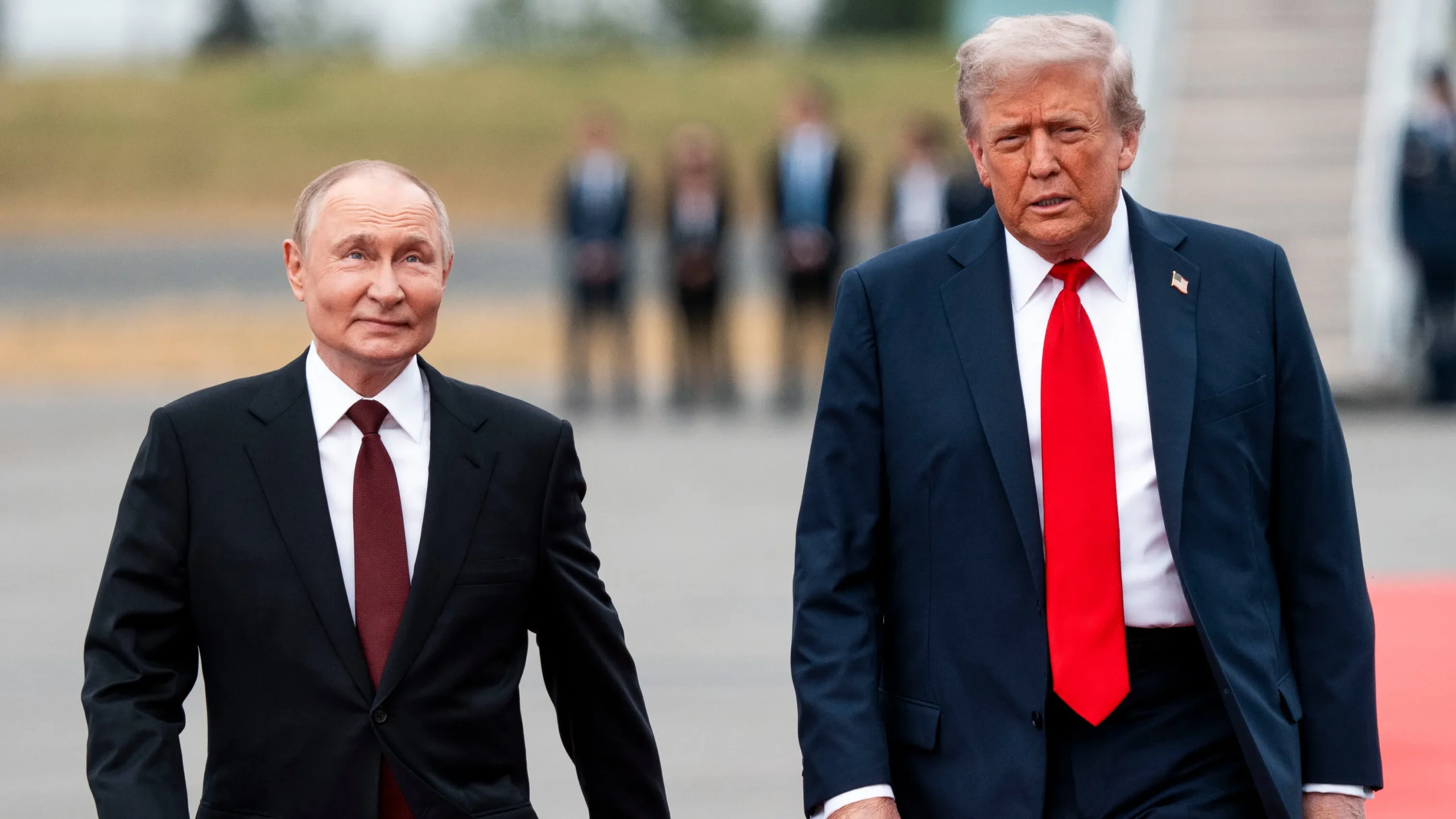
Trump pauses Russia sanctions for 60 days, US policy
Secretary of State Marco Rubio says Washington needs time to assess the economic consequences of sanctions and tariffs targeting Russia and countries buying its energy, as rising fuel prices fuel domestic concerns and Ukraine warns against easing pressure on Moscow.
US President Donald Trump has temporarily waived key sanctions and tariffs targeting Russia, with Secretary of State Marco Rubio saying the administration will use up to 60 days to assess their potential impact on the US and global economies. The decision places energy-market stability alongside Washington’s efforts to pressure Moscow over its war against Ukraine.
Speaking to reporters at Joint Base Andrews on 17 October, Rubio said the proposed restrictions would affect multiple countries and could have consequences extending beyond Russia. He cited the interaction of international conflicts and their effects on global oil and diesel prices as factors in the administration’s review.
The waiver was issued through an executive order signed on 16 October under the Lindsey O. Graham Sanctioning Russia and Iran Act of 2026, which Trump signed into law in September. The legislation provided for sanctions against Russian officials and other entities, as well as additional duties on goods from Russia and certain countries purchasing Russian-origin oil and gas. The executive order invoked the law’s national-interest waiver provisions to suspend specified measures. The White House text states that the waivers remain in effect until the president or the secretary of state, in consultation with relevant officials, determines that further action is appropriate.
Rubio argued that the administration needed to understand how sanctions and tariffs could affect fuel supplies and economic activity. The concern comes as international conflict has added pressure to energy markets, with the war involving Iran and attacks by Yemen’s Houthis on Saudi Arabia cited by the secretary of state as contributing factors.
Diesel is particularly important to freight transport, agriculture and construction. Higher prices can increase operating costs for businesses, which may pass some of those expenses on to consumers. The resulting pressure can spread through supply chains, affecting the cost of goods and household budgets.
Trump’s decision also comes ahead of the US midterm elections in November, as voters remain concerned about the cost of living. The administration’s stated rationale is to evaluate the economic consequences of the restrictions before deciding whether to proceed, while the immediate political debate centres on whether easing pressure on Russian energy exports will help stabilise prices.
Rubio said Russian diesel would reach the global market one way or another, arguing that the key question was how much would be available to US buyers. That is the administration’s explanation for the approach; the actual effect on fuel prices will depend on supply volumes, market conditions, transport costs and other geopolitical developments.
The waiver has drawn criticism from lawmakers in both parties who supported the legislation as a means of increasing economic pressure on Russia. Republican Senator Thom Tillis described the decision as “beyond irresponsible”, while Republican Senator Ted Cruz called it a mistake in comments reported by US media.
Critics argue that delaying the restrictions weakens the pressure intended to constrain the Russian government’s ability to finance its war. Supporters of the administration’s approach, by contrast, point to the need to assess the economic consequences of broad restrictions that could affect countries trading with Russia.
The dispute concerns both the substance of sanctions policy and the use of the waiver authority contained in the law. The executive order says the president certified to Congress that the waivers were in the national interest. The administration has not yet announced a final decision on whether the suspended measures will subsequently be implemented.
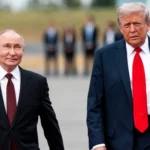
Ukrainian President Volodymyr Zelensky has criticised the move, warning that it rewards Russian President Vladimir Putin and raising concerns that Washington could ease further restrictions. Kyiv has consistently argued that economic pressure is an important part of international efforts to limit Russia’s capacity to sustain the war.
The waiver therefore carries implications beyond fuel prices. It raises questions about how Washington will balance domestic economic concerns, energy-market disruption and its stated objective of increasing pressure on Moscow.
The impact will also depend on the response of other countries, including major buyers of Russian energy. The legislation contemplated additional duties on certain countries importing Russian-origin oil and gas, meaning the potential consequences extend to international trade relationships as well as direct US-Russia economic ties.
The 60-day review period gives the administration time to assess possible effects on fuel prices, trade flows and economic activity. It does not, by itself, guarantee that the suspended restrictions will take effect once the period ends. The executive order provides for the waivers to remain in place until the president or secretary of state determines that further action is appropriate.
For energy markets, the central question is whether additional Russian diesel supplies can ease pressure on fuel costs without undermining the broader sanctions strategy. For Ukraine and its partners, the concern is whether the pause reduces leverage over Moscow at a time when the war continues.
The episode illustrates the difficult trade-offs that emerge when foreign-policy objectives collide with domestic economic pressures. Washington’s next decision will help determine how it balances the cost of energy, the reach of sanctions and its approach to Russia’s war against Ukraine.
Sources: Reuters — Rubio says Trump will take up to 60 days to weigh Russia sanctions; The White House — Implementing the Lindsey O. Graham Sanctioning Russia and Iran Act of 2026; The Guardian — Zelensky criticises Trump’s pause on Russia sanctions; Associated Press — Trump’s decision to waive Russian sanctions draws bipartisan criticism.
