















Russian strikes hit Kyiv as signals to resume peace talks
Renewed US-led diplomacy raises the prospect of fresh negotiations, but continued attacks, unresolved security demands and tensions between Washington and Kyiv complicate efforts to end the war.
Russia has indicated that it is prepared in principle to resume trilateral peace talks with Ukraine and the United States, even as Russian missiles struck Ukraine’s capital, Kyiv, highlighting the gap between diplomatic engagement and conditions on the battlefield.
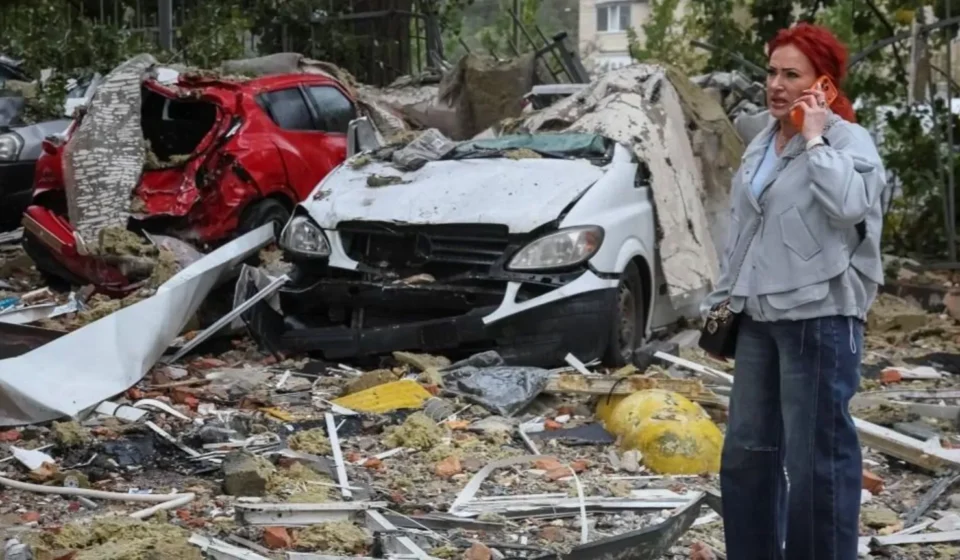
According to the BBC, Kyiv Mayor Vitaliy Klitschko said several houses were hit during an attack on Wednesday night, leaving six people injured. The strikes came hours after Russian President Vladimir Putin met US special envoy Steve Witkoff in St Petersburg, where discussions focused on the possibility of restarting negotiations.
Kremlin aide Yuri Ushakov said a new round of talks could take place around 10 November in Abu Dhabi. He said discussions should focus on establishing a security framework for Russia and Ukraine after the conflict. The meeting has not been confirmed as a completed diplomatic arrangement.
Witkoff travelled to Russia after meeting Ukrainian President Volodymyr Zelensky and European leaders in Oslo. Zelensky said the discussions included security guarantees for Ukraine and proposals for an energy ceasefire. He also indicated that Kyiv would accept a ceasefire freezing the current front line as an initial step towards ending the fighting.
Witkoff described his discussions with Putin as constructive. Jared Kushner, who participated remotely, said further work was required but argued that there was an opportunity to develop a framework for lasting peace.
The diplomatic initiative follows earlier rounds of trilateral negotiations that stalled in February. Previous discussions produced limited progress beyond prisoner exchanges, while Moscow and Kyiv maintained competing positions on territorial control and security arrangements.
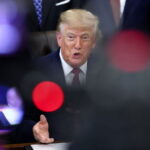
The negotiations are also taking place amid disagreements between Washington and Kyiv. US President Donald Trump has pressed Ukraine to settle and criticised its leadership. His administration has faced criticism over its decision to ease certain restrictions on Russian diesel supplies, while Ukraine and some European allies have questioned the implications for pressure on Moscow.
Ukraine has also raised concerns about access to US intelligence used to warn civilians about incoming Russian missile attacks. US Secretary of State Marco Rubio rejected allegations that Washington had deliberately withheld critical warnings. Zelensky subsequently said intelligence sharing was functioning again.
Before the Putin–Witkoff meeting, Russia released Stephen Hubbard, a 74-year-old US citizen who had been imprisoned in Russia on allegations that he fought for Ukraine. Trump said Hubbard was returning home and that no prisoner exchange was required. The release occurred alongside the diplomatic contacts, although the available reporting does not establish that it was formally linked to a peace agreement.
The renewed contacts represent an opening for negotiations, not evidence that the war is approaching a definitive end. Russia’s willingness to discuss talks does not establish agreement on the terms of a settlement, and continued attacks demonstrate that diplomatic engagement has not yet translated into a halt in hostilities.
Zelensky’s stated willingness to freeze the current front line offers a possible starting point for negotiations. However, a ceasefire would leave difficult questions unresolved, including the status of occupied territory, enforcement arrangements and the security guarantees Ukraine would require to reduce the risk of another Russian invasion.
The proposed security framework is therefore likely to be a central issue in any future negotiations. Moscow and Kyiv have different security objectives, while Ukraine’s European partners have their own concerns about the consequences of a settlement that might leave the country vulnerable to renewed attack.
Washington’s position is another variable. Trump’s effort to broker an agreement is unfolding alongside disagreements with Kyiv over military assistance, intelligence sharing and pressure on Russia. These tensions could affect the negotiations, but the available evidence does not establish how they will influence the eventual terms.
The timing of the renewed diplomatic effort also matters. A proposed meeting in November would provide an opportunity to test whether the parties can move beyond broad statements towards specific commitments. Until a meeting is confirmed and concrete terms are published, claims of an imminent breakthrough should be treated cautiously.
For now, the situation is defined by two parallel developments: renewed diplomatic engagement and continuing military action. Whether the first can produce a durable ceasefire will depend on the substance of negotiations, the security arrangements accepted by the parties and their willingness to implement any agreement.
Sources:
BBC News — Missiles hit Kyiv after Russia agrees to US call to resume Ukraine peace talks, Reuters — Putin agrees to resume three-way peace talks with Ukraine and US, Reuters — US envoy Witkoff to meet Putin as Trump presses Kyiv to settle, Reuters via Investing.com — Russia willing in principle to join new Ukraine peace talks in November.
