











UN experts demand investigation on India’s youth-led protests
Opposition parties and student groups are demanding the resignation of Chief Election Commissioner Gyanesh Kumar, while authorities defend the electoral-roll revision and face growing scrutiny over protest restrictions and detentions.
India’s protests over electoral-roll revisions have drawn renewed international scrutiny after United Nations human-rights experts called for an independent investigation into the authorities’ handling of demonstrations. The protests, led by opposition parties, student organisations and the youth-led Cockroach Janta Party (CJP), have centred on demands for the resignation of Chief Election Commissioner Gyanesh Kumar.
The latest development came on 21 October, when two CJP leaders, Saurav Das and Ashutosh Ranka, were released from judicial custody in New Delhi after providing a written undertaking not to call for demonstrations at Jantar Mantar while the site remains outside the officially designated protest venues. Their detention followed a demonstration against the election chief and the revision of voter lists.
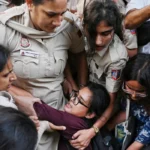
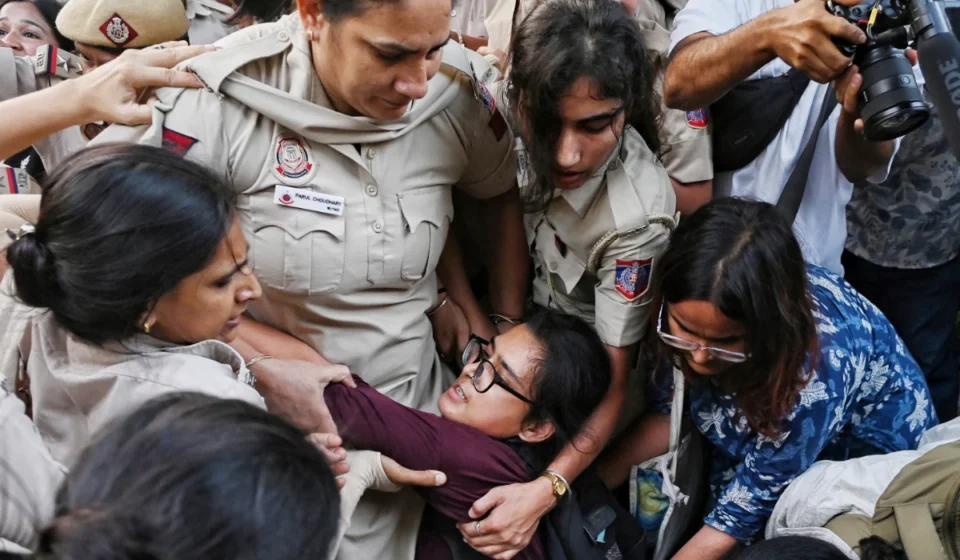
The release came a day after UN experts called for an independent, impartial and thorough investigation into the conduct of police and affiliated forces during recent protests. In a statement reported by Reuters on 20 October, the experts cited reports of injuries, alleged ill-treatment and the use of force against unarmed demonstrators. They urged Indian authorities to end excessive force, reconsider broad restrictions on assemblies and avoid the misuse of digital surveillance and internet disruptions.
The immediate source of the political confrontation is the revision of India’s electoral rolls, a process that the Election Commission says is intended to remove duplicate, deceased, relocated and otherwise ineligible entries.
According to figures reported by Reuters, approximately 130 million names were removed during the exercise. The Election Commission’s breakdown included around 28 million entries associated with deceased people, 63 million people reported to have relocated and 30 million individuals who could not be traced.
Opposition parties argue that the scale and implementation of the deletions risk excluding eligible voters and have questioned whether the exercise has been conducted impartially. They have also alleged that Muslims and other disadvantaged groups could be disproportionately affected.
The Election Commission and the ruling Bharatiya Janata Party (BJP) reject allegations of political manipulation. The commission says voters who have been wrongly excluded can seek re-enrolment through the available procedures.
The distinction is important: the reported number of deleted entries does not establish that all those removed were eligible voters, nor does it independently prove that the exercise was designed to favour a particular political party. Establishing the extent of wrongful exclusion would require detailed verification of individual cases and reliable demographic data.
The latest confrontation follows a series of demonstrations in October, including opposition marches in New Delhi and rallies involving student organisations and CJP supporters.
On 12 October, opposition demonstrators marched towards the Supreme Court to challenge the voter-list revision. The petitioners sought safeguards against the deletion of eligible voters without adequate notice or an opportunity to be heard, alongside a suspension of the revision pending scrutiny.
Authorities tightened security around central Delhi during the protests. Police also announced that Jantar Mantar, a longstanding protest venue, would no longer be designated as an official protest site, identifying alternative locations for demonstrations.
The restrictions became a flashpoint after CJP supporters staged an unauthorised demonstration at Jantar Mantar. Das and Ranka were subsequently detained, prompting the movement to organise further protests calling for their release.
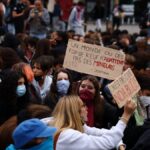
On 16 October, police detained CJP founder Abhijeet Dipke and student activist Neha Bora ahead of a planned rally in central Delhi. Reuters reported that nearly 500 demonstrators nevertheless reached Connaught Place in small groups, while smaller protests were also reported in Mumbai and Bengaluru. Student organisations held a demonstration in Patna.
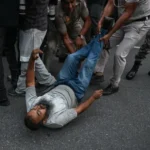
Earlier, on 10 October, police detained more than 2,000 people in Delhi as authorities moved to prevent a large rally. Security measures included restrictions on movement and the suspension of mobile internet services in parts of the capital. Reports of additional detentions during the wider protest period have varied, with some figures covering multiple events rather than a single day.
The UN experts’ intervention has shifted part of the debate from electoral administration to the protection of peaceful assembly and the treatment of demonstrators.
The experts called for accountability for alleged abuses and raised concerns about broad assembly restrictions, digital surveillance and internet disruptions. Their statement adds to earlier international concern over mass detentions during the protests.
The Indian government has previously rejected UN criticism of its handling of demonstrations, describing external comments on domestic matters as unwarranted interference. Indian authorities maintain that public assemblies are subject to legal restrictions intended to preserve public order.
These positions leave two related questions unresolved: whether the electoral-roll revision has wrongly excluded eligible citizens on a significant scale, and whether restrictions imposed in response to the demonstrations have been necessary and proportionate.
The allegations of excessive force and ill-treatment cited by UN experts remain allegations requiring investigation; they should not be treated as findings from a completed independent inquiry.
The protests illustrate how a technical administrative process can develop into a broader dispute over democratic accountability. Electoral rolls determine who can participate in elections, making transparency, accurate records and accessible correction procedures central to public confidence.
The scale of the reported deletions makes independent scrutiny particularly relevant. However, the headline figure alone cannot establish the number of eligible voters wrongly excluded. A credible assessment would require transparent, disaggregated data on removals, reasons for deletion, appeals, reinstatements and the outcomes of individual challenges.
The government and the Election Commission face a related challenge in demonstrating that the process is fair and that mistakes can be corrected effectively. Opposition parties, meanwhile, need verifiable evidence to substantiate claims of partisan impact. Publishing auditable records and allowing independent examination would help distinguish administrative errors from allegations of systematic bias.
The handling of demonstrations is a separate but connected issue. Restrictions on protest venues, preventive detentions and disruptions to communications can affect the ability of citizens and journalists to document public grievances. Authorities have a responsibility to maintain public order, but claims of disproportionate force or arbitrary detention warrant transparent investigation.
As of 22 October, the release of two protest leaders and the intervention by UN experts mark important developments, but they do not resolve the underlying dispute. The central questions remain whether eligible voters have been improperly removed, what remedies are available, and whether citizens can challenge the process and demonstrate peacefully without disproportionate restrictions.
Sources:
- Reuters — UN experts urge Indian authorities to cease use of excessive force to curb protests, 20 October 2026
- Reuters — Indian court orders release of ‘Cockroach’ movement leaders, 21 October 2026
- The Indian Express — CJP leaders Saurav Das and Ashutosh Ranka released after written undertaking, 21 October 2026
- Reuters — Indian opposition marches to Supreme Court, seeks suspension of voter-list changes, 12 October 2026
- Reuters — Indian police detain ‘Cockroach’ founder and student leaders ahead of Delhi rally, 16 October 2026
- Reuters — India detains thousands and locks down Delhi to foil election-chief protest, 10 October 2026
