














COP31 ends in climate deadlock, fossil fuel divisions derail
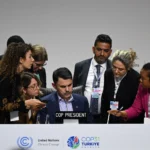
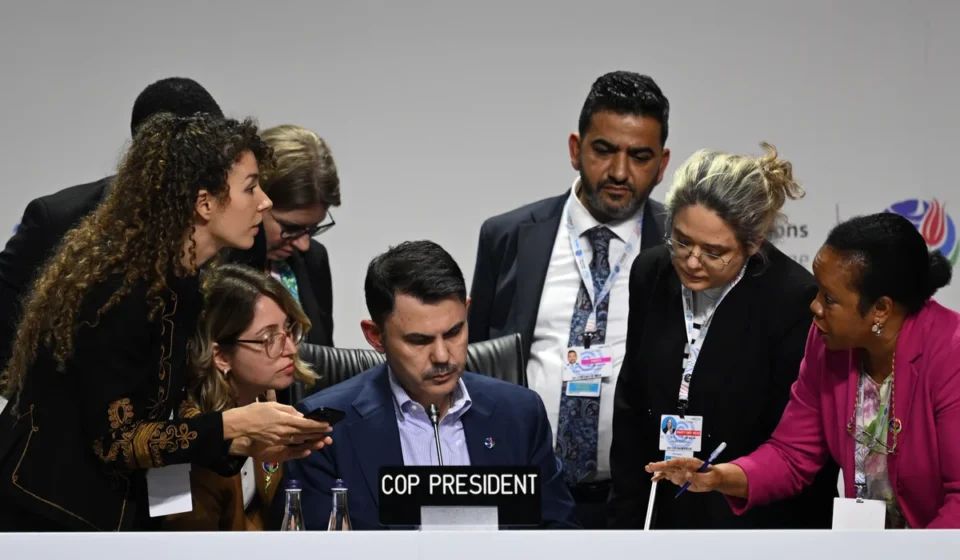
The United Nations climate summit COP31 ended on Sunday without an overarching political agreement, after nearly 48 hours of extended negotiations failed to bridge deep divisions between countries over fossil fuels and the pace of global climate action.
United Nations Secretary-General António Guterres expressed disappointment over the outcome, warning that governments had failed to respond adequately to the urgency of the climate crisis.
“I share the very profound frustration of all those who expected governments to rise to the moment the climate crisis demands,” Guterres said in a statement. He also criticised the influence of fossil fuel interests, arguing that those benefiting from environmental destruction should not dictate the terms of global climate action.
The central dispute revolved around whether the final agreement should explicitly recognise the need to move away from coal, oil and gas. The issue has remained one of the most contentious aspects of international climate negotiations, particularly since the landmark COP28 agreement in Dubai in 2023 called for a transition away from fossil fuels.
The final draft proposed by the Turkish-Australian COP31 presidency did not explicitly mention fossil fuels or establish a clear pathway for phasing them out. Instead, it included provisions supporting carbon capture and storage technologies, alongside proposals for electrification and climate adaptation. Several countries and environmental groups criticised the approach, arguing that it risked weakening previously agreed climate commitments.
The European Union, the United Kingdom and several climate-vulnerable nations rejected the proposed text, insisting that any meaningful agreement must address the continued dependence on fossil fuels. Meanwhile, Russia and Saudi Arabia opposed explicit references to fossil fuels, with Russia warning that restricting their supply could trigger energy price shocks and worsen energy poverty.
The disagreement also exposed longstanding tensions over climate finance. Developing countries, particularly those facing severe climate impacts, have continued to demand greater financial support from wealthier nations to strengthen adaptation, reduce emissions and address climate-related losses and damage. Kenya’s delegation criticised the proposed outcome for failing to adequately recognise Africa’s specific needs, arguing that stronger climate commitments must be accompanied by sufficient financial support.
Despite the failure to secure an overarching agreement, the summit was not without progress. Australia’s Climate Change and Energy Minister Chris Bowen pointed to an electrification pledge signed by more than 90 countries as one of the positive developments. However, he acknowledged that such initiatives were insufficient without broader political agreement on climate action.
The collapse of the negotiations does not invalidate previous international climate commitments, including the COP28 agreement on transitioning away from fossil fuels. However, it highlights the growing difficulty of translating those commitments into concrete collective action.
The outcome also raises questions about the effectiveness of the consensus-based negotiation process, where disagreements among participating countries can prevent the adoption of a common political position. With climate-related risks intensifying and the world struggling to remain within the Paris Agreement’s 1.5°C temperature goal, the failure to secure a unified outcome adds further pressure on governments to turn existing promises into measurable action.
Sources: Reuters, Countries react as COP31 climate talks collapse; Associated Press, UN climate talks break down over bitter disagreements on fossil fuels; The Guardian, COP31 climate talks break down as key deal rejected; UNFCCC, Official COP31 conference information and documents; UNFCCC, Antalya Pact — draft decision proposed by the COP31 President.