




















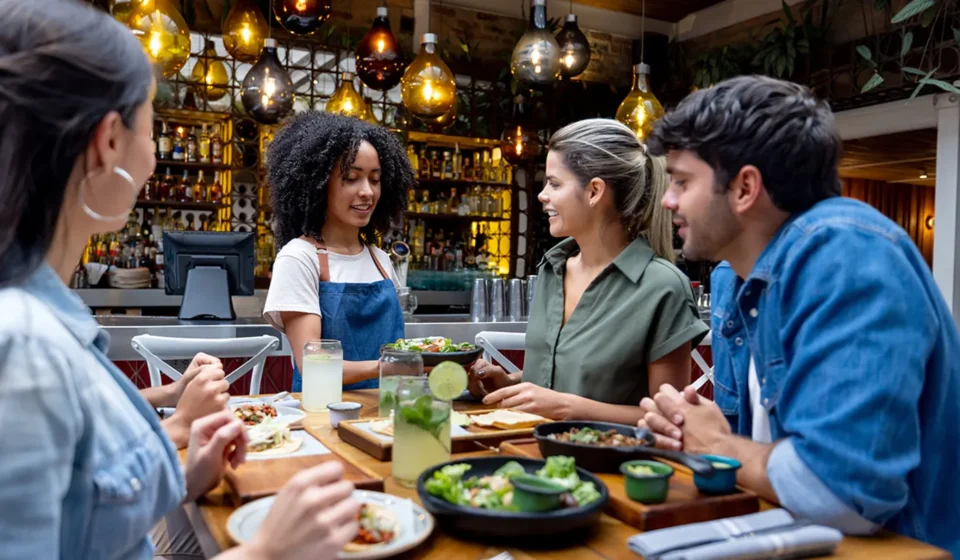
Americans dining out less as weekly restaurant visits hit record low
Eating at restaurants is becoming an occasional expense rather than a regular weekly habit for a growing number of Americans, as changing consumer behaviour and rising costs reshape the country’s dining industry.
A new Gallup poll found that just 39 per cent of US adults ate at a restaurant at least once a week in 2026, the lowest level recorded in the organisation’s tracking. The figure compares with 47 per cent in 2022 and 53 per cent in 2019, before the Covid-19 pandemic.
The findings suggest that Americans are not abandoning restaurants altogether but are becoming more selective about how frequently they eat out and how much they spend.
Weekly dining loses ground
The Gallup survey, conducted in early July, found that the proportion of Americans who eat at restaurants only a few times a year has doubled since 2019, rising from 10 per cent to 20 per cent.
Only 4 per cent of respondents said they never eat at restaurants.
Takeaway orders have also failed to compensate for the decline in dine-in visits. Weekly takeaway ordering has fallen to 31 per cent, returning to the same level recorded in 2018 after reaching a peak of 39 per cent in 2021.
The pattern points to a broader shift in household spending and consumption habits. Restaurant visits, once a routine part of many Americans’ weekly lives, increasingly appear to be treated as a discretionary purchase.
Rising costs and changing consumer priorities
Restaurant operators are already feeling the effects.
Teneshia Murray Butler, owner of T’s Brunch Bar in Atlanta, told Fox News Digital that customer traffic at her locations had slowed over the previous four or five months. Both dine-in and takeaway business had weakened, with weekdays particularly quiet.
She said customers continued to order popular dishes and spend roughly the same amount per plate, but she had noticed fewer families with children visiting her restaurants.
Rising operating costs are adding to the pressure. Murray Butler cited increases in the prices of beef, frying batter and takeaway supplies, making it more difficult for restaurant businesses to manage expenses while keeping meals affordable.
For consumers, the cost of eating out may increasingly compete with other household priorities, particularly when food prices and everyday living expenses remain a concern.
Value and experience still matter
The findings do not necessarily indicate a lasting rejection of restaurant dining. Brandy Rand, vice-president of hospitality at Forge, which produces the Bar & Restaurant Expo in Las Vegas, said consumers were becoming more selective about when and where they chose to eat.
A recent consumer habits survey by Forge found that 42 per cent of respondents considered promotions or special deals important when deciding where to dine. However, 53 per cent identified treating themselves as their main reason for eating out.
That distinction suggests restaurants are competing on more than price. Consumers may still be willing to spend on dining experiences, but they increasingly expect a clear reason to do so.
Murray Butler has responded by introducing offers such as $5 drinks and $10 meals on slower days. She said targeted promotions could encourage customers to visit without committing to the cost of a full-priced meal.
The challenge for restaurants is therefore to demonstrate value while preserving the social experience that distinguishes dining out from eating at home.
Food safety concerns add another pressure
Gallup noted that the survey was conducted during a major cyclospora outbreak linked to produce served at some restaurants. Concerns about contaminated food may therefore have influenced some respondents’ attitudes towards eating out.
Murray Butler said the outbreak had made her cautious about serving lettuce, prompting her to check product labels and seek assurances from suppliers that incoming produce had been properly inspected.
A separate Gallup survey in September found that 73 per cent of Americans had avoided certain foods during the previous year because of a recall or food-safety advisory.
Although the survey does not establish that food-safety concerns caused the decline in restaurant visits, it highlights another issue that businesses may need to address when trying to rebuild customer confidence.
A changing market for the restaurant industry
The latest figures also show differences across income groups. Weekly restaurant dining fell to 38 per cent among middle-income adults and 48 per cent among upper-income adults. Among lower-income adults, the figure stood at 32 per cent, the lowest of the three groups.
The decline among middle- and upper-income consumers suggests that the shift cannot be explained solely by the spending limitations of lower-income households.
For restaurant businesses, the implications extend beyond offering cheaper meals. Operators must respond to changing expectations around affordability, service, food safety and the overall value of a dining experience.
The longer-term question is whether weekly restaurant dining will recover or whether the United States is moving towards a more selective culture of eating out, in which restaurant visits are increasingly reserved for special occasions.
Sources: Fox News – Americans are ditching a longtime weekly tradition as restaurant dining hits record low. The report draws on findings from a Gallup poll conducted in July 2026 and a consumer habits survey by Forge, as cited in the original coverage.
