
















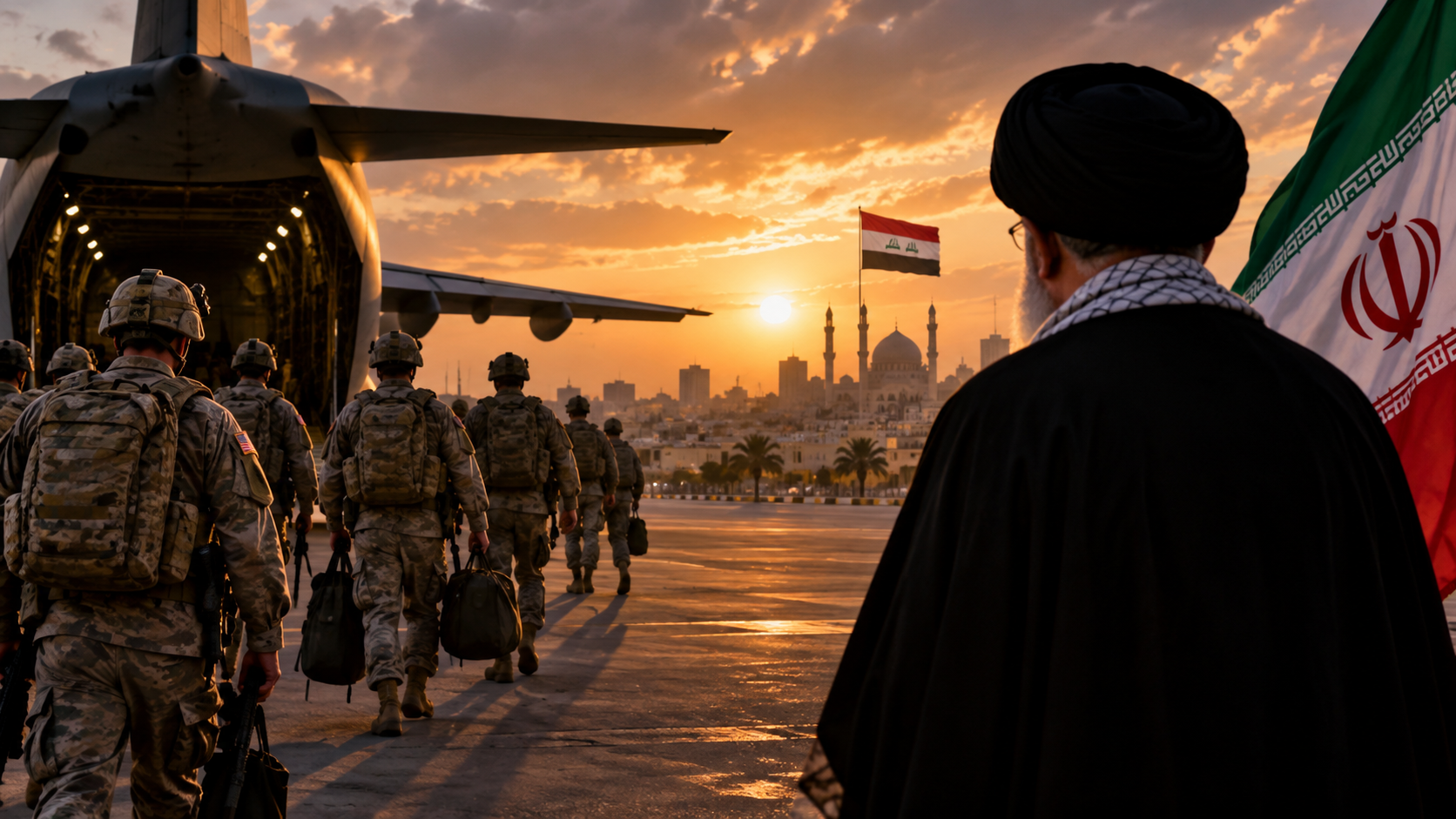
Hormuz diplomacy, Iraq withdrawal reshape the regional narrative
RMN Desk: The Middle East media agenda is increasingly shifting from battlefield developments to the question of what kind of regional order could emerge from the continuing US-Iran confrontation. On September 29, the most prominent stories across regional and international outlets centered on diplomatic efforts over the Strait of Hormuz, the US military withdrawal from Iraq, the continuing Gaza crisis and growing tensions involving Yemen and the Gulf states. Taken together, the coverage shows that the conflict is now being framed not simply as a confrontation between Washington and Tehran, but as a wider contest over energy routes, regional security and political influence.
The Strait of Hormuz remains at the center of this narrative. Al Jazeera reported that Iranian Foreign Minister Abbas Araghchi met Qatari mediators in New York over Tehran’s proposal to reopen the strait, while Washington continued to insist that any broader agreement must address Iran’s nuclear programme. Tehran’s proposal reportedly links reopening the waterway to the release of frozen Iranian funds, sanctions relief and an end to the US naval blockade. The US position, however, places the nuclear issue at the center of any settlement. Al Jazeera’s presentation gives considerable space to the competing conditions of both sides, while also emphasizing the consequences for global energy supplies: the strait previously carried roughly one-fifth of the world’s oil and gas supplies, and the disruption has pushed oil prices above $100 a barrel.
The framing is somewhat different in Gulf-based media. Arab News places the Hormuz issue within a broader diplomatic effort by Arab and Islamic states to end the conflict and restore regional energy security. Its reporting on the meeting between US President Donald Trump and Arab and Islamic leaders describes the Gulf countries’ priorities as ending the war with Iran, protecting energy security and advancing the Gaza peace process. Saudi officials also emphasized the security of navigation through both Hormuz and Bab Al-Mandab. The emphasis therefore moves away from the immediate US-Iran confrontation toward the consequences of the conflict for Gulf economies and regional stability.
The National’s coverage similarly connects the Iran conflict with the security of the Gulf and Red Sea. Its reporting highlights Saudi diplomatic engagement with Washington while fighting involving the Houthis in Yemen continues. The outlet has also focused on the impact of the conflict on oil flows, shipping and aviation, suggesting a framing in which the Middle East crisis is increasingly being understood through its effects on regional infrastructure and international markets rather than solely through military developments.
At the same time, Iranian messaging continues to portray the confrontation primarily through sovereignty and resistance. Iran’s parliament speaker warned that if Tehran could not sell its oil, other countries in the region would also face restrictions on their ability to export oil. Meanwhile, Iranian officials continue to insist that the country wants a diplomatic solution but will not accept negotiations under what it considers coercive conditions. Arab News’ reporting on Tehran’s position emphasizes this insistence on diplomacy following Trump’s rejection of the Iranian proposal.
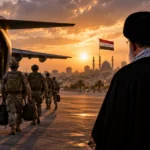
Another major story is the completion of the US military withdrawal from Iraq. Reuters frames the departure as the end of more than two decades of American military presence and, at the same time, the beginning of a new struggle for influence. While many Iraqis view the withdrawal as an assertion of national sovereignty, Iraqi analysts cited by Reuters warn that the departure could create additional space for Iran-aligned groups and potentially allow Islamic State sleeper networks to regain room for activity. The story therefore carries two competing Iraqi narratives: the return of full national control on one side and concern about the security implications on the other.
This is particularly important from a regional media-monitoring perspective because the Iraq story is not being presented merely as an American military withdrawal. It is being interpreted as a possible indicator of a changing balance of power. The question running underneath the coverage is who will exercise greater influence once US forces leave: Baghdad’s own institutions, Iran-linked political and armed groups, or other regional actors.
Gaza remains another important but differently framed part of the regional news cycle. While the Iran-Hormuz confrontation dominates strategic coverage, Arab media continue to report the humanitarian and social consequences of the Gaza conflict. Arab News, for example, has highlighted the effects of prolonged war and displacement on Palestinian families, while The National has drawn attention to satellite imagery showing the scale of destruction across Gaza.
The contrast between these stories is revealing. Coverage of Iran and Hormuz is largely built around diplomacy, military strategy, sanctions, oil and shipping. Gaza coverage, by comparison, places greater emphasis on civilian consequences, destruction and humanitarian conditions. The result is a fragmented regional media narrative in which the same wider conflict is being understood through different lenses depending on the outlet and its geographic and political context.
The Yemen dimension is also becoming more prominent. Saudi Arabia’s foreign minister has been holding discussions in Washington over Yemen and Hormuz, while The National reports that fighting between Yemen’s government forces and the Houthis has intensified. The outlet has also reported Saudi measures, including the temporary shift of schools in Riyadh to remote learning following Houthi drone threats. These reports connect Yemen directly to the wider security concerns surrounding Saudi Arabia, maritime routes and the Iran-US confrontation.
Across the coverage, therefore, three interconnected narratives are emerging. International outlets tend to emphasize the strategic consequences of the conflict and the uncertainty surrounding negotiations. Gulf media increasingly frame the crisis through regional security, energy supplies, navigation and diplomatic containment. Iranian and Iran-focused reporting gives greater prominence to sovereignty, sanctions and resistance to US pressure, while coverage of Gaza continues to foreground the humanitarian consequences of prolonged conflict.
The most significant change in the regional media narrative is that Hormuz has become a central symbol of the wider Middle Eastern power struggle. It represents Iran’s ability to influence global energy flows, the vulnerability of Gulf economies, the strategic interests of the United States and the diplomatic leverage being exercised by Qatar, Saudi Arabia and other regional actors. At the same time, the US departure from Iraq introduces another question into the regional narrative: whether Washington’s changing military footprint will create greater space for regional powers to shape the Middle East’s next phase.
As of September 30, the media picture is therefore less about one isolated conflict than about a region undergoing simultaneous diplomatic, military and economic realignment. The most important difference between outlets is not necessarily the facts they report, but which consequence they place at the center of the story—security, sovereignty, humanitarian suffering, energy or regional power. That difference in emphasis is shaping how audiences across the Middle East understand the same rapidly changing crisis.
