










Paraguay impeaches president after bank collapse
Santiago Peña’s removal follows allegations of conflicts of interest and regulatory interference as millions of depositors remain unable to access their savings. The crisis has placed the country’s financial oversight and political institutions under intense scrutiny.
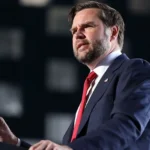
Paraguay has entered an unprecedented political and financial crisis after lawmakers impeached President Santiago Peña and authorities placed him under house arrest following the collapse of Ueno Bank, a digital lender with reported links to his former business interests. The bank’s failure has left an estimated three million depositors unable to access their savings and pensions, triggering protests and allegations of serious institutional misconduct.
Peña was arrested on Friday shortly after the Senate voted overwhelmingly to remove him from office. The impeachment received 44 votes in favour out of 45 senators, with one lawmaker absent. Rather than accept Peña’s offer to resign on Thursday, lawmakers proceeded with impeachment proceedings and charged him with misconduct, stripping him of the immunity normally available to former presidents.
The allegations against Peña include conflicts of interest, manipulation of regulatory oversight, diversion of pension funds and participation in an institutional cover-up involving the central bank. He has denied wrongdoing. His defence lawyer, Ricardo Preda, described the accusations as reckless, irresponsible and politically opportunistic.
The political crisis was triggered by the collapse of Ueno Bank earlier in the week. Paraguay’s central bank seized the institution, leaving a large section of the population unable to access their deposits.
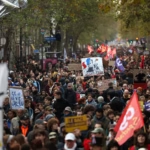
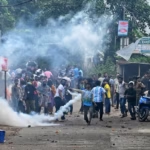
The BBC report estimates that approximately three million depositors have been affected. The disruption has prompted widespread protests, particularly in the capital, Asunción, where depositors have demanded access to their money and accountability from the authorities.
The scale of the disruption makes the episode more than a banking failure. Savings and pension access are central to household financial security, and prolonged restrictions can affect consumption, retirement planning and confidence in the wider financial system.
Peña held shares in the company that owned the bank until last year, according to the BBC report. That connection has become central to questions about potential conflicts of interest and whether the authorities responsible for supervising the financial institution acted independently.
The impeachment charges also allege that pension funds were diverted. These are serious accusations, but the parliamentary decision and the criminal investigation should be distinguished: impeachment establishes the political removal of a president, while criminal responsibility must be determined through the judicial process.
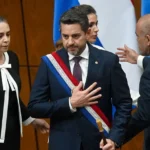
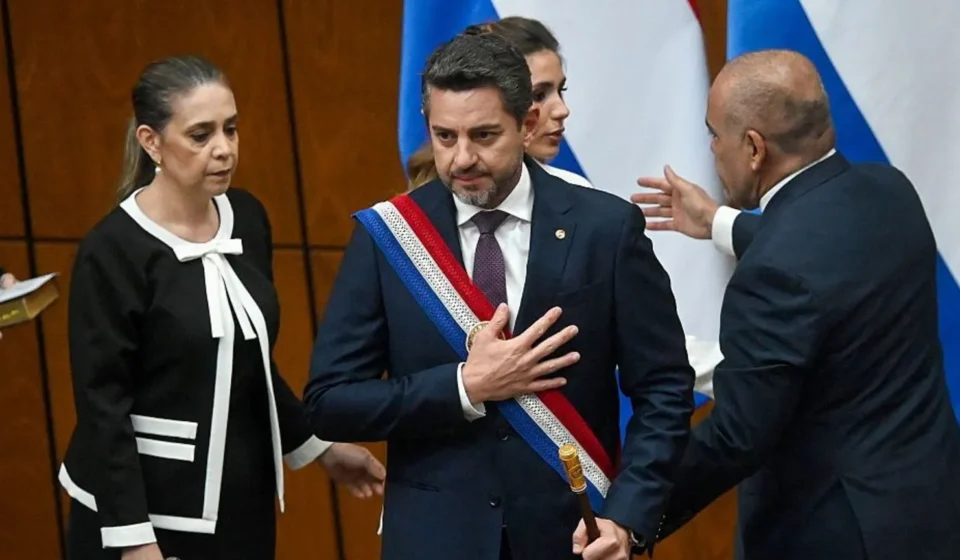
Following Peña’s removal, Vice President Pedro Alliana was sworn in as interim president. He is expected to serve until 2028.
In his first public remarks, Alliana promised that citizens affected by the financial collapse would be fully compensated. The pledge is likely to be a central test of the interim administration, particularly as millions of depositors await access to their savings and pensions.
The practical challenge will involve establishing the scale of losses, determining the legal and financial status of deposits, and identifying the resources available for compensation. The BBC report does not provide details of a compensation mechanism, funding arrangements or a timetable for repayment.
Senator Rafael Filizzola described the episode as the largest corruption scandal in Paraguay’s democratic history, arguing that it had damaged the state, private citizens and the country’s credibility. His remarks reflect the political gravity of the crisis, although the allegations remain subject to investigation and legal proceedings.
Peña is due to be questioned on Saturday over allegations including breach of trust, influence peddling and misappropriation of funds, according to prosecutor Silvia Margarita Gonzalez Vester.
The investigation will need to establish whether Peña used his political position to influence banking supervision, whether public or pension funds were improperly handled, and whether any officials participated in concealing misconduct. The available report does not establish the full chain of responsibility for the bank’s collapse.
Peña had addressed the nation on Thursday, expressing regret and saying that he had never intended to betray public trust. He nevertheless denies wrongdoing, and his defence has challenged the basis of the allegations.
The distinction between political accountability and criminal liability will be important as the case proceeds. The Senate’s impeachment vote removed Peña from office, but the prosecution must still establish the evidence required to support any criminal charges.
The crisis presents Paraguay with two connected challenges: restoring access to depositors’ money and rebuilding confidence in the institutions responsible for regulating the banking sector.
For households, the immediate concern is financial security. For businesses, the failure raises questions about the reliability of financial intermediaries and the effectiveness of regulatory supervision. For international investors, the episode could become a test of institutional transparency, governance and the credibility of financial oversight.
The interim government’s compensation pledge may help address immediate public anger, but restoring confidence will require more than assurances. Depositors will need clear information about the status of their funds, while investigators must establish how the bank failed and whether political influence affected regulatory decisions.
Paraguay’s political transition is therefore unfolding alongside a major test of financial governance. The outcome will depend not only on the prosecution of those accused of misconduct, but also on whether the authorities can protect depositors and demonstrate that banking supervision operates independently of political and private interests.
Sources: BBC News — Paraguay’s President Santiago Peña impeached and arrested (7 November 2026); Reuters — Paraguay Senate votes to impeach President Peña; Reuters — What is Ueno Bank and how did it trigger Paraguay’s political crisis?; Associated Press — Ousted Paraguayan president placed under house arrest after bank collapse; Deutsche Welle — Paraguay: President Santiago Peña under house arrest over bank crisis; The Guardian — Ousted Paraguay president under house arrest after banking crisis; The Washington Post — Paraguay’s president out after bank implosion freezes millions of accounts; Al Jazeera — Paraguay resumes Peña impeachment proceedings as financial crisis deepens; Associated Press — Paraguay President Santiago Peña resigns following bank collapse.
