














Jensen Huang’s Nvidia exit triggers growing US congressional scrutiny, China chip links
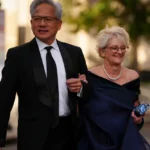
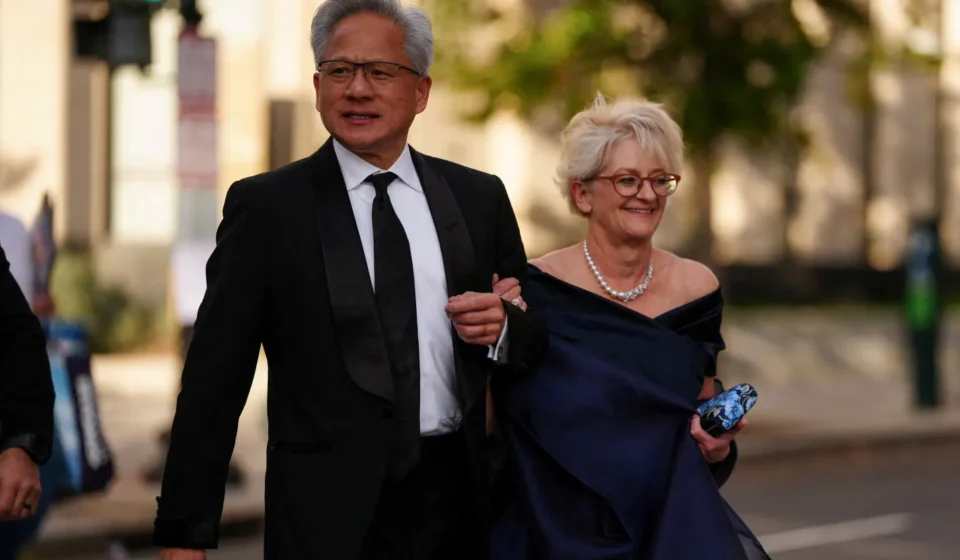
Jensen Huang’s sudden departure from Nvidia has opened a new chapter in a controversy that is rapidly becoming a national security and political issue in Washington. Although the company’s long-time chief executive has resigned, US lawmakers are pressing ahead with demands for testimony and investigations into Nvidia’s business links with China, the alleged diversion of advanced AI chips and the handling of export-control enforcement by the Trump administration.
Nvidia announced on 12 November that Huang had resigned as president, chief executive and a member of its board, with immediate effect. The company appointed its chief financial officer, Colette Kress, as interim chief executive while it searches for a permanent successor. Harvey C. Jones, a long-serving board member, was appointed the company’s first chair.
The resignation followed reports about Huang’s relationship with Alice Huang, a former executive at Singapore-based technology company Megaspeed International. US authorities have reportedly suspected Alice Huang of acting on behalf of Chinese intelligence, although the allegation has not been independently verified by Reuters. Beijing has denied the accusation.
The controversy has raised questions about whether a foreign intelligence operation may have gained access to sensitive information through its relationship with one of the world’s most influential technology executives. It has also intensified scrutiny of Megaspeed, which reportedly had access to Nvidia’s advanced AI chips and is suspected of helping divert restricted technology to China. Megaspeed has denied wrongdoing.
Congress demands answers despite resignation
Republican lawmakers have made clear that Huang’s departure does not end their interest in the matter. Three House committee chairs – Brian Mast of Foreign Affairs, John Moolenaar of the Select Committee on China and Rick Crawford of Intelligence – have sought a closed-door, transcribed interview with the former chief executive.
Their latest request seeks Huang’s appearance on 1 December. The lawmakers have warned that a subpoena could follow if he does not agree to the proposed arrangement. They are also seeking testimony from Nvidia’s general counsel, Tim Teter, over alleged chip smuggling, security protocols and the company’s reported involvement in export-control investigations.
The Senate is preparing its own scrutiny. Senator Tim Scott, chair of the Senate Banking Committee, has requested testimony from Huang and Commerce Secretary Howard Lutnick. Scott has warned that the committee could use its subpoena powers if necessary. Lutnick, meanwhile, has agreed to appear voluntarily, according to the Commerce Department.
The questions extend beyond Huang’s personal conduct. Lawmakers want to establish whether Nvidia’s business relationships created vulnerabilities in US technology safeguards, whether restricted chips reached Chinese entities and whether government agencies acted appropriately when concerns emerged.
Commerce Department under pressure
The role of the Commerce Department’s Bureau of Industry and Security (BIS), which administers US export controls, has become a significant part of the controversy.
Reports have raised questions about the department’s handling of an investigation involving Megaspeed. The New York Times reported that Nvidia’s general counsel had referred to communications with Jeffrey Kessler, the Commerce official overseeing the bureau, in correspondence with investigators. The department’s investigation was subsequently transferred to the Justice Department, according to the reports.
Commerce Secretary Lutnick has also faced questions over whether his department moved quickly enough to address concerns about the company’s access to restricted technology. He has agreed to testify before the Senate Banking Committee, while House lawmakers are seeking answers from officials responsible for export-control enforcement.
Senators Elizabeth Warren and Chris Coons have separately called on the Commerce Department, State Department and White House to preserve communications and documents concerning Nvidia’s advanced chip exports to China and any entities that may have diverted the technology.
The issue has implications for the wider US approach to technological competition with China. Advanced processors are central to the development of artificial intelligence, military applications and high-performance computing. Restrictions on their export are intended to limit Beijing’s access to technology that Washington considers strategically sensitive.
Political consequences could extend into 2027
The timing of the controversy gives it an additional political dimension. Republicans still control both chambers of Congress, but Democrats are expected to take control in January, when the new Congress begins its session. Democratic leaders have already called for scrutiny of Nvidia, the administration’s export-control decisions and the relationship between Huang and senior officials.
Senate Minority Leader Chuck Schumer has said Congress must demand answers from Huang, Nvidia and the administration. Elizabeth Warren has also argued that company executives and board members must explain their compliance with US export restrictions.
The transition in congressional control could broaden the scope of oversight. Democrats have indicated that they want to examine not only the company’s conduct but also what the administration knew about the alleged intelligence concerns and how it responded.
President Donald Trump has publicly praised Huang’s work and said he did not believe the former Nvidia chief knew that Alice Huang was suspected of being a spy. The president’s comments have added another political element to the debate, given Huang’s previously close relationship with the White House and his role in discussions over US AI competitiveness.
A wider test for AI leadership and export controls
Nvidia’s position in the global AI industry makes the controversy particularly consequential. Its processors are widely used in data centres and AI development, while its commercial relationships extend across major technology companies and international markets. Huang was also one of the industry’s most prominent advocates in Washington, where he regularly argued that US companies needed to remain competitive in the global AI market.
His departure therefore raises questions about corporate governance, executive accountability and the balance between commercial interests and national security. It also places renewed attention on the effectiveness of export controls designed to prevent advanced American technology from reaching strategic competitors.
However, the allegations must be distinguished from established findings. The reported relationship between Huang and Alice Huang, suspicions surrounding her alleged intelligence links and concerns about Megaspeed’s chip transactions are separate issues that require evidence and investigation. No conclusion about espionage or the unlawful diversion of chips should be treated as established solely on the basis of the reports.
For Washington, the challenge is to determine whether existing safeguards were breached, whether government oversight failed and whether additional restrictions are needed. For Nvidia, the immediate task is to maintain confidence among customers, investors and policymakers during a leadership transition.
Huang’s resignation may have ended his executive role at Nvidia, but it has not closed the questions surrounding the company. Congressional testimony and the outcome of investigations could shape not only Nvidia’s future but also the wider debate over who controls access to the technology underpinning the global AI race.
Sources: CNBC – Nvidia is done with Jensen Huang. The fallout in Washington is just beginning | Nvidia – Official announcement of CEO transition | US Securities and Exchange Commission – Nvidia Form 8-K filing | Reuters – Ex-Nvidia CEO misled company leaders about relationship with Alice Huang | Reuters – House Republicans push for Huang to testify | CBS News – GOP lawmakers push Huang and Lutnick to appear before Congress | US House Foreign Affairs Committee – Letter to Nvidia’s general counsel
